The Happy Child Mode
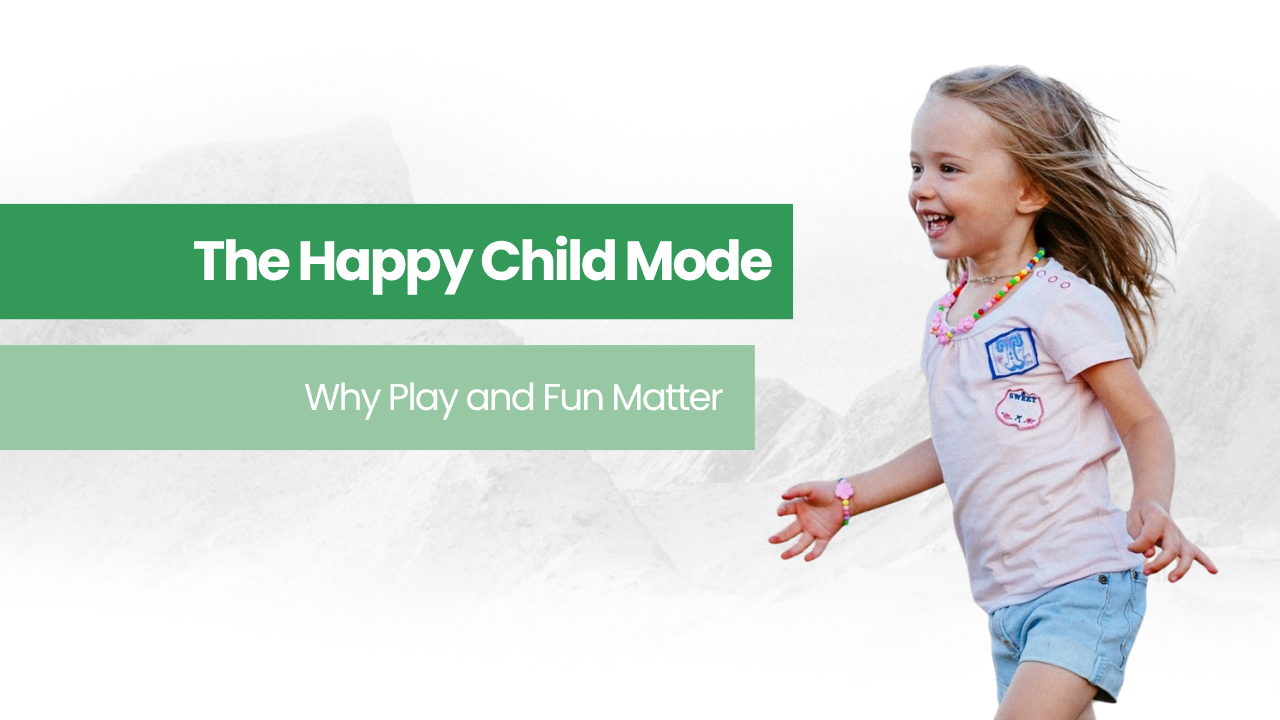
Happy Child Mode: Why Play and Fun Matter in Schema Therapy
Written by Jess O'Garr, Clinical Psychologist and Schema Therapy trainer at The Psych Collective.
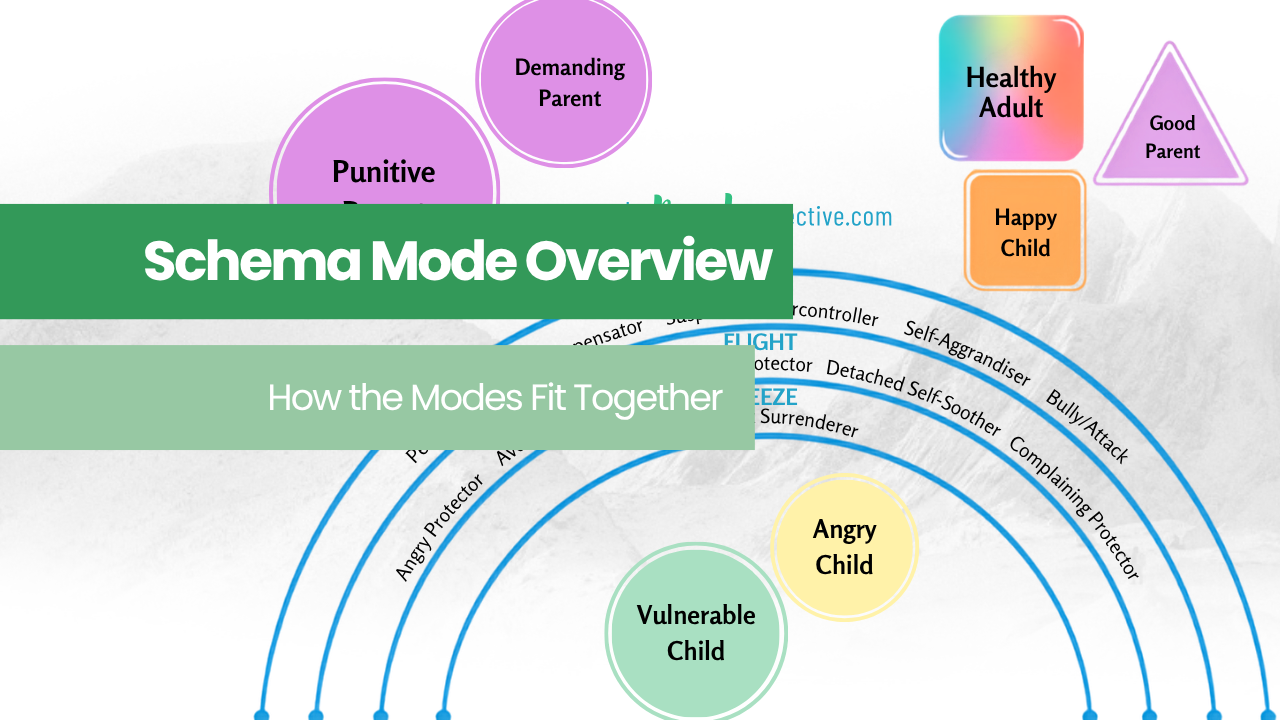
Happy Child Mode is the Schema Mode associated with fun, play, curiosity, creativity, exploration and connection with other people. Unlike the Maladaptive Coping Modes and Dysfunctional Parent Modes that we are usually trying to reduce or manage in Schema Mode Therapy, the Happy Child is a mode we generally want to develop and strengthen.
Schema Mode Therapy starts with the assumption that many people who need this type of therapy probably have an underdeveloped Happy Child Mode. They may be very good at working, achieving, looking after other people or getting through difficult situations, but genuinely struggle when you ask a seemingly simple question: "What do you do for fun?" Often the answer is, "I don't know. I don't remember. I don't have time for fun"
Watch the Video
Hear Jess explain the Happy Child Mode
What is Happy Child Mode?
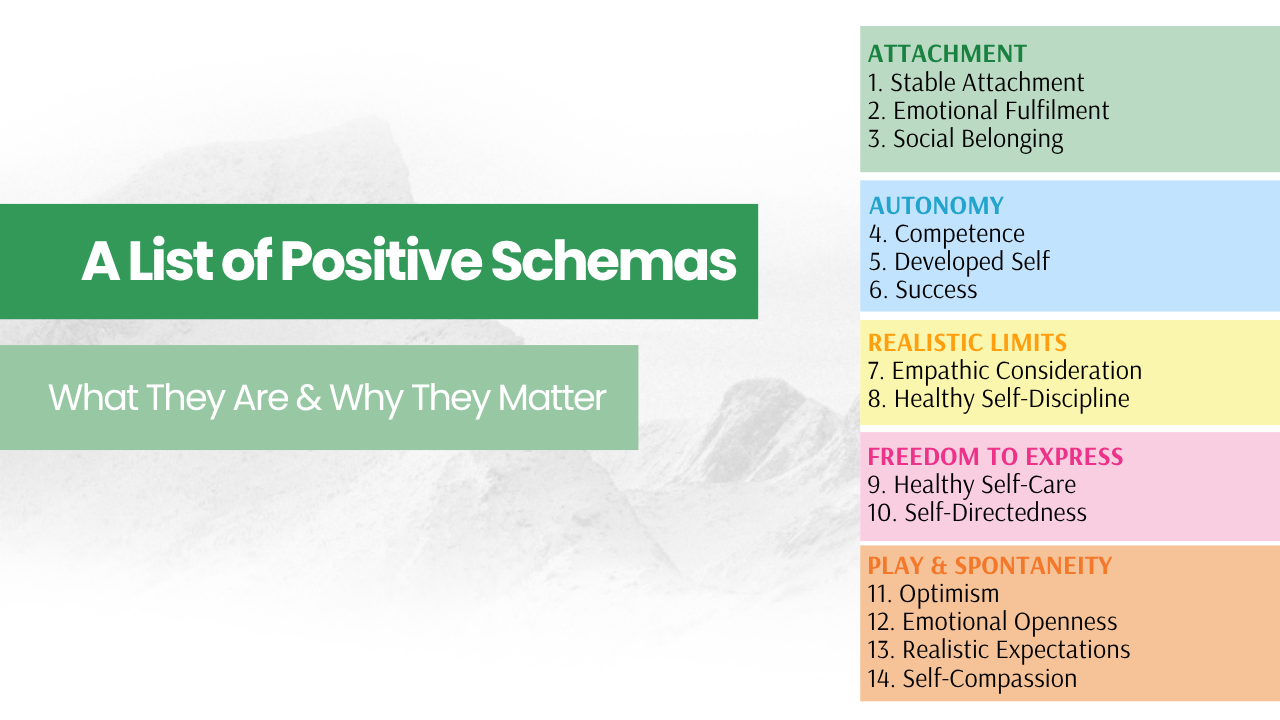
The function of the Happy Child is to have fun, explore the world, be creative and curious, learn about yourself through play and connect socially with other people. It is closely connected to the core emotional needs for spontaneity, play, and freedom to express yourself.
We expect children to do these things naturally. Children draw pictures of three-headed dinosaurs, make ridiculous things out of Lego, squeal, make a mess, muck around with their friends and explore the world simply because something looks interesting. Ideally, the adults around them encourage this by showing interest, joining in and communicating that having fun is an important and acceptable part of life.
Through play, children also learn about themselves. They discover what they like, what makes them laugh, what interests them and who they enjoy spending time with. Play isn't an optional extra in healthy development; it is one of the ways children explore themselves, other people and the world around them.
Why can Happy Child Mode become underdeveloped?
Not everybody grows up in an environment where play is encouraged. Some children receive messages such as "Grow up. Stop being silly. Stop making so much noise. Be more serious. Stop wasting time." For my fellow millennials out there, you might have also heard "Act your age, not your shoe size." Over time, kids learn that being playful or spontaneous isn't acceptable and that they should be doing more important things.
Sometimes children are technically allowed to participate in activities that are supposed to be fun, but parental expectations of performance gradually take over. Sport becomes about whether you win the grand final. Playing music becomes about passing piano exams. Art becomes about whether you're talented. School becomes about the mark you achieve rather than what you discovered. When approval becomes attached to performance and outcome, an activity can stop feeling like play.
This can leave adults who are extremely competent but have very little idea how to do something simply because they enjoy it. If you have spent decades being productive, responsible or achievement-focused, having fun can genuinely feel unfamiliar. Some people even feel guilty or uncomfortable when they aren't doing something useful.
Achievement isn't the same thing as a Happy Child
This distinction matters, especially for people with a strong Perfectionistic Overcompensator or Demanding Parent Mode. I'll sometimes ask a patient what they do for fun, and they'll tell me that getting 95% on a university assignment makes them happy. My response is usually: "Nope. Try again". And they look at me with a blank face.
Of course it can feel good to achieve something. There is nothing wrong with being proud of yourself or enjoying success. But if your enjoyment depends on performing well, receiving praise or achieving a particular outcome, we're probably looking at something different from Happy Child Mode. Your Perfectionistic Overcompensator may be very pleased that you achieved 95%, while your Demanding Parent reminds you that you need to do just as well next time.
Happy Child activities don't need to prove anything. Fun shouldn't to be measured by outcome or performance. You don't need to win, improve, achieve a personal best or produce something impressive. Sometimes the entire point is simply that you enjoyed yourself while you were doing it.
What if I don't know what I enjoy anymore?
For people with a very underdeveloped Happy Child, asking "What do you enjoy?" can be surprisingly difficult. If your genuine answer is "I don't know", that's useful information rather than evidence that you don't have a Happy Child. It tells us that this part of you probably needs some attention.
Schema Therapy sometimes uses imagery to help reconnect with a sense of fun, wonder and curiosity. A therapist might ask you to imagine walking into an ice cream shop where you can choose whatever you want. What flavour would you pick? Three scoops? Sprinkles? Nuts? Berries? Another exercise might involve imagining walking into a toy shop where you can choose anything you want. Would you head towards the wall of Lego, the stuffed animals, games, craft supplies or something completely different?
The point isn't really the ice cream or the toys. We're trying to evoke the experience of wanting something simply because you like it. For someone whose life has become dominated by what they should do, rediscovering what they actually want to do can be surprisingly powerful.
How do you develop Happy Child Mode?
If the idea of being told to "go and have fun" immediately makes you uncomfortable, take it slowly. We aren't expecting someone who hasn't played in 30 years to suddenly spend the weekend running around a playground. Like any underdeveloped mode, Happy Child may need some practice.
One option is to go back to actual child-based activities. When I used to run Schema Therapy groups at a private hospital, we scheduled Happy Child days as part of the therapy program and let the group choose what they wanted to do. One group chose party pies, sausage rolls and fairy bread for lunch, ice cream sundaes for dessert, then sat on the floor colouring in while watching a Disney movie. Another decided on a Mexican fiesta with sombreros, ponchos, tacos, nachos and card games. The activity itself wasn't particularly important; the important part was giving people permission to play.
You can also think about the silly little things children do without worrying about whether they have any point. Balance along the garden edging instead of walking normally down the footpath. Build something ridiculous out of Lego or Play-Doh. Bake something and lick the bowl. Eat with your hands. Colour in. Make a mess. Think about what you loved doing as a child, what you always wanted to try, or simply follow the lead of the children in your life and see what happens.
What if childlike play really isn't my thing?
Happy Child doesn't mean you have to start behaving like a six-year-old. For some people, traditional childlike activities are an easy way into this mode. For others, the idea sounds absolutely horrendous. That's okay.
Plenty of adult ways to play exist. You might enjoy board games, card games, crafts, adventure sports, comedy shows, live theatre, musicals, restaurants or spending time with friends who make you laugh. The question isn't whether the activity looks childish enough. The question is whether you are doing something because it is genuinely enjoyable rather than because you're measuring your performance.
You can still have skills and hobbies that involve goals, of course. The useful question is whether you can sometimes participate without needing to be the best at it. Can you paint a terrible picture and still enjoy painting it? Can you play a game and lose without ruining the experience? Can you try something new while being completely average at it? Happy Child is much easier to access when performance doesn't determine whether the activity was worthwhile.
How does the Healthy Adult strengthen Happy Child Mode?
The Healthy Adult gives the Happy Child permission to play. It notices when the Demanding Parent starts saying, Stop wasting time. You should be doing something useful. Grow up. Be serious. Rather than automatically obeying that voice, the Healthy Adult recognises that spontaneity and play are legitimate emotional needs.
This can mean deliberately making room for fun rather than waiting until every job is finished. If you only allow yourself to play once your to-do list is empty, you're probably never going to get there. There will always be another email, another load of washing or another task you could be doing instead. The Healthy Adult creates space for play because it understands its value, not because you have finally earned it.
Other people can also help strengthen Happy Child Mode. Find the people who make you laugh and who give you permission to be silly. Pay attention to how you feel after spending time with someone. The people who support your Happy Child are often the ones you walk away from feeling lighter, with cheeks that hurt from laughing so much, and without monitoring yourself the entire time.
Happy Child still needs boundaries
Developing Happy Child Mode doesn't mean removing every limit and doing whatever feels good. Healthy development involves both play and boundaries, and the same applies to adults. The Healthy Adult remains responsible for making sure fun is safe and doesn't harm you or others.
The goal isn't irresponsibility. It is flexibility. You can be responsible, competent and productive while also having a part of your life that exists purely because it brings you joy. For many people in Schema Therapy, learning that these things can coexist is an important part of developing a healthier balance.
Frequently asked questions about Happy Child Mode
What is Happy Child Mode in Schema Therapy?
Happy Child Mode is the part of us associated with play, fun, curiosity, creativity, spontaneity, exploration and enjoyable connection with other people. In Schema Mode Therapy, we generally want to strengthen this mode rather than reduce it.
Why might someone have an underdeveloped Happy Child?
Happy Child may be underdeveloped when play, silliness or self-expression weren't encouraged growing up, or when activities became heavily focused on achievement, performance and approval. Adults can then become disconnected from what they genuinely enjoy.
How do I know what activates my Happy Child?
Ask what you enjoy doing when there is nothing to achieve or prove. Think about activities you enjoyed as a child, things you've always wanted to try, experiences that make you laugh, and people you can relax around and be playful with.
Is achievement part of Happy Child Mode?
Achievement can feel good, but it isn't the same as Happy Child. Happy Child cares less about how well you perform and more about whether you genuinely enjoy the experience.
Want to strengthen your Healthy Modes?
Our Schema Therapy Cards and Complete Set of Schema Mode Therapy Worksheets can help you identify your Schema Modes, understand your emotional needs and build stronger Healthy Adult and Happy Child Modes.
Explore our Schema Therapy resources →
Are you a Mental Health Clinician?
Our Schema Mode Therapy Clinician Guide provides practical tools for identifying and working with Schema Modes, while my Schema Therapy and Schema Mode Therapy training focuses on translating the model into practical clinical interventions you can actually use with clients.
Explore upcoming Schema Therapy training →
About Our Resources