List of Core Emotional Needs
What are Core Emotional Needs?
Written by Jess O'Garr, Clinical Psychologist and Schema Therapy trainer at The Psych Collective.
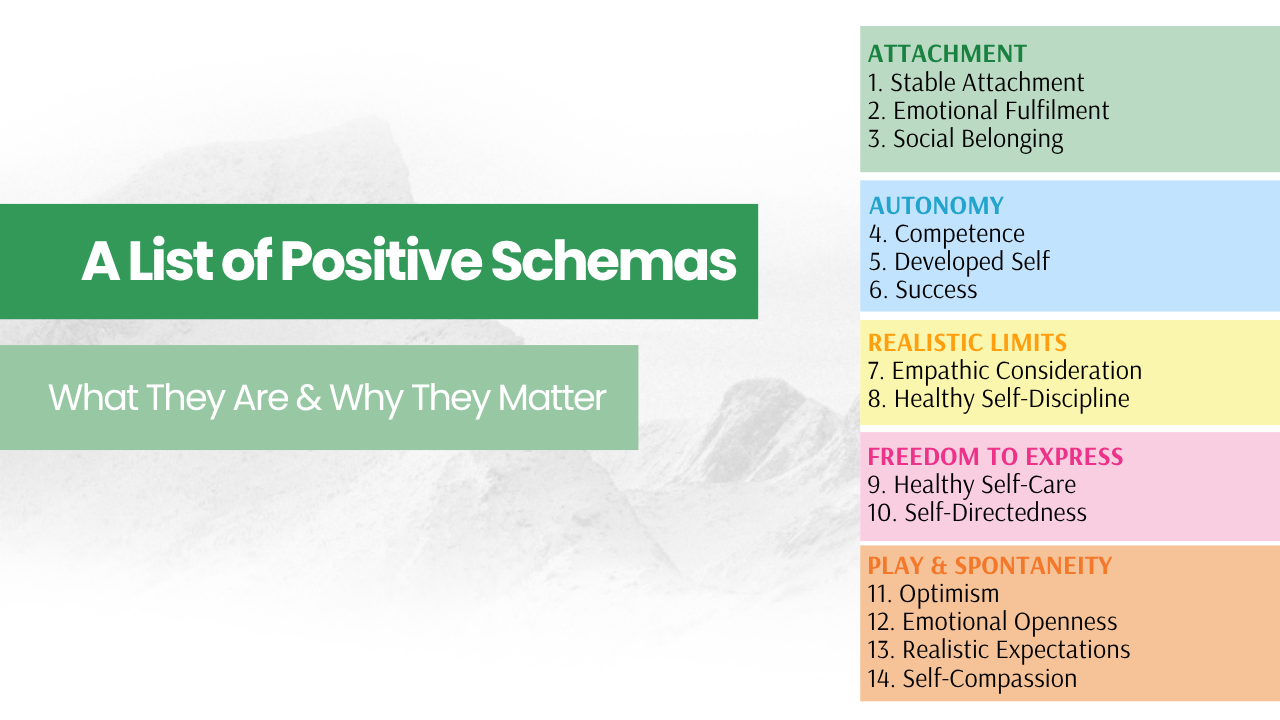
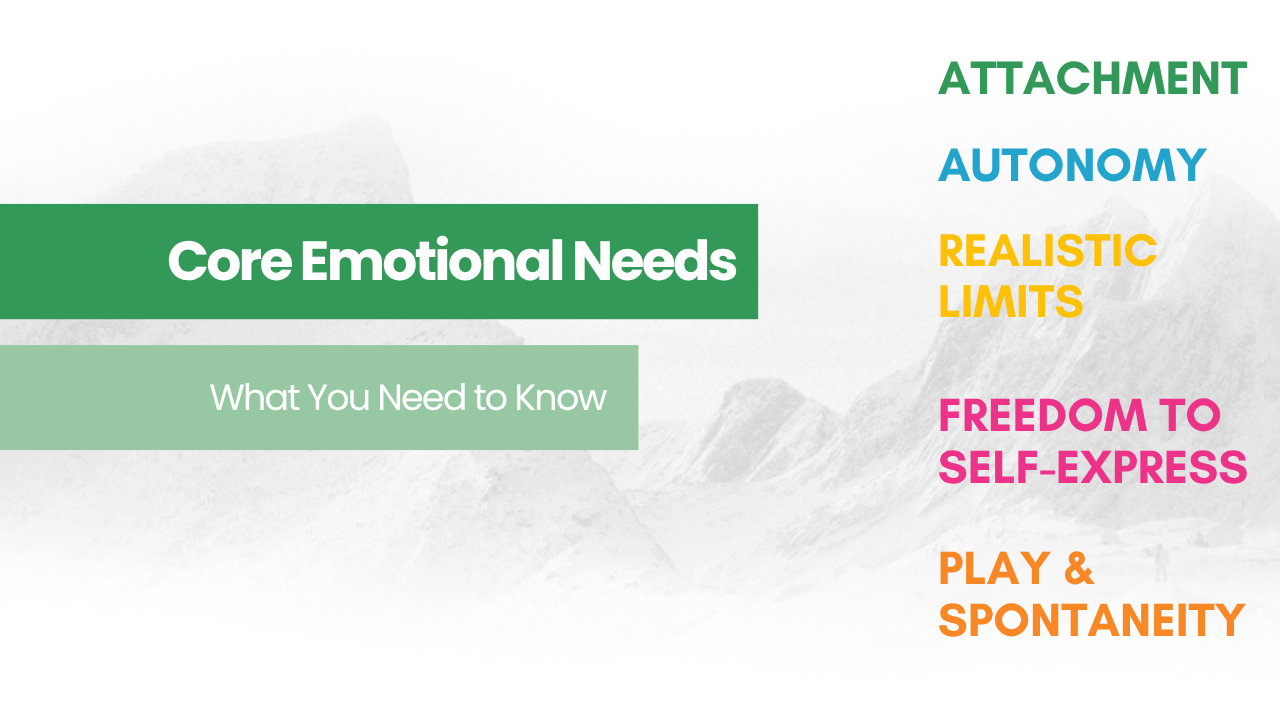
Core emotional needs are the basic psychological needs we all have for healthy emotional development and well-being. In Schema Therapy, these needs are grouped into five broad categories: secure attachment, autonomy, freedom to express needs and emotions, spontaneity and play, and appropriate boundaries.
We usually talk about these needs in the context of childhood because our early experiences of having these needs met—or not met—help shape the schemas we develop. But here's the important bit: we don't grow out of our emotional needs. As I often say, adults are really just grown-up children. You may be out of practice at recognising your needs; you may have learned to ignore them, or you may never have experienced some of them consistently in the first place. That doesn't mean you don't still need them.
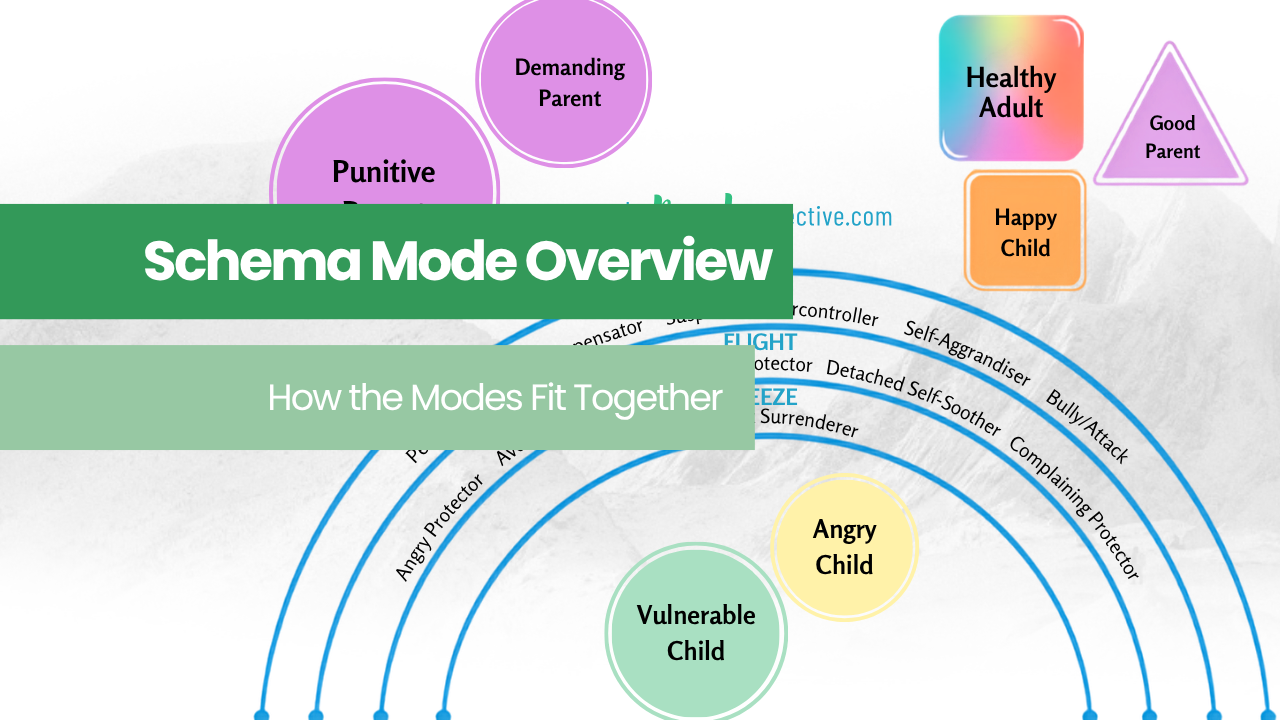
This is especially true in Schema Mode Therapy. When something happens in the present that leaves an important emotional need unmet, it can activate our Vulnerable Child Mode. We may feel rejected, unsafe, lonely, controlled, unheard or inadequate, and then quickly move into one of our Maladaptive Coping Modes to try to manage that vulnerability. Understanding what you need, and recognising when that need isn't being met, is therefore a really important part of understanding your Schema Modes.
So, when we talk about "meeting your needs" in Schema Therapy, we're not talking about getting everything you want or expecting other people to make you happy. We're talking about five fundamental categories of emotional needs that help us feel safe, connected, capable, authentic and able to function well.
In this 3-minute video, Jess gives a quick overview of the 5 categories of needs.
1. The Need for Secure Attachment
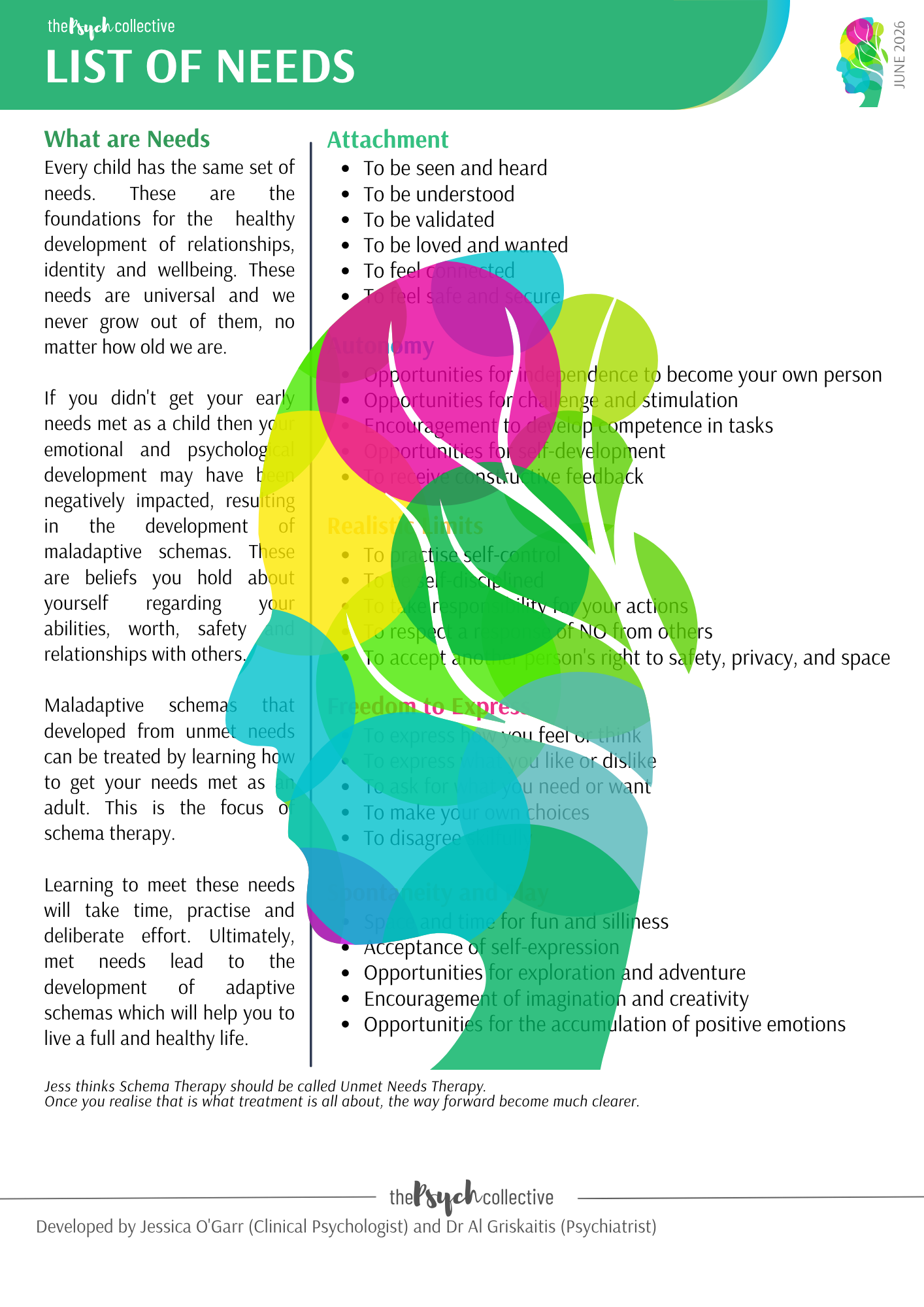
Secure attachment is vital to children's healthy emotional development. When children form secure attachments with their primary caregivers, they develop a sense of trust, safety, and emotional stability. Securely attached children feel confident exploring the world, knowing they have a secure base to return to. This foundation allows them to build positive relationships, regulate their emotions, and develop healthy coping strategies. Securely attached children also develop a stronger sense of self-worth and empathy, as they have experienced consistent and responsive care. The emotional security of a secure attachment helps children navigate challenges, manage stress, and build resilience. Ultimately, secure attachment lays the groundwork for healthy social, emotional, and psychological well-being throughout their lives.
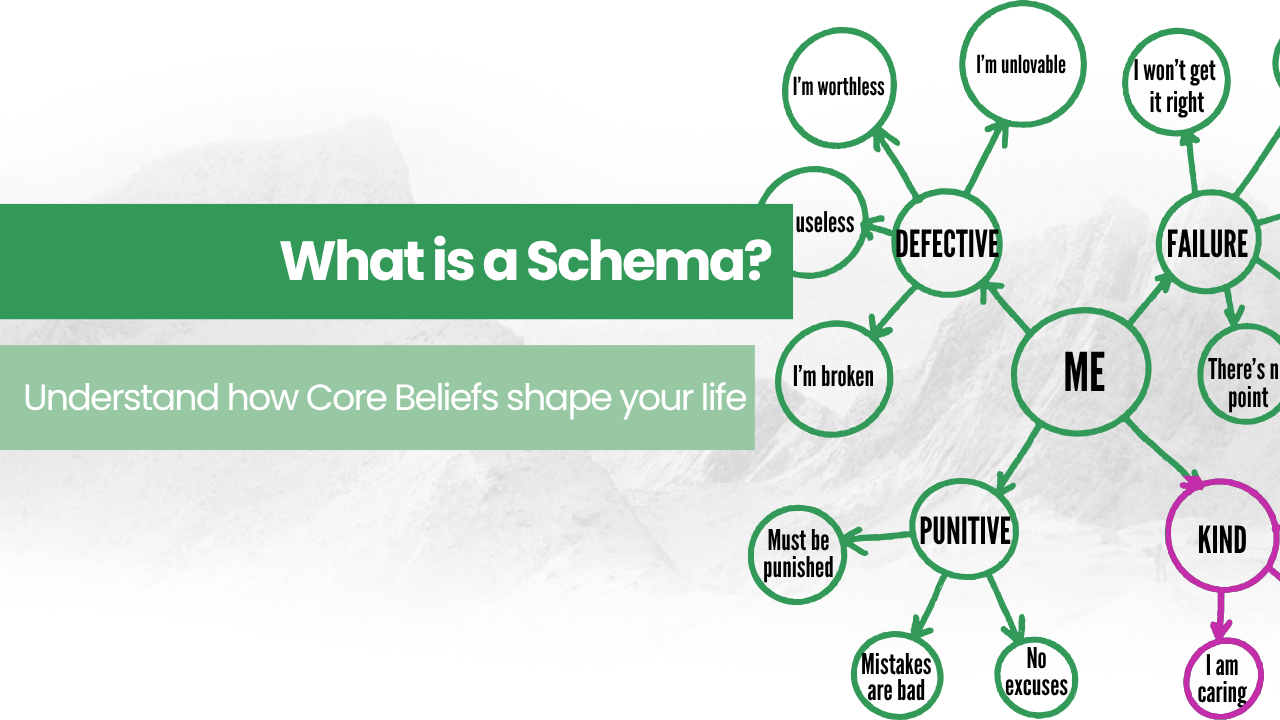
When this need is unmet, maladaptive schemas such as Abandonment, Emotional Deprivation, Mistrust/Abuse, Defectiveness and Social Isolation can develop.
2. The Need for Autonomy
Autonomy plays a crucial role in promoting healthy emotional development in children. It refers to the ability to make independent choices, exercise personal agency, and develop a sense of self-identity. When children have opportunities to make decisions and take responsibility for their actions within age-appropriate boundaries, they develop competence and self-confidence. Autonomy allows children to explore their interests, discover their strengths, and learn from their mistakes. It fosters a sense of ownership over their lives and helps them develop a healthy self-esteem. Moreover, autonomy allows children to express their individuality, preferences, and emotions, leading to greater self-understanding and acceptance. By encouraging autonomy, caregivers provide a nurturing environment that supports children's emotional well-being, promotes self-regulation, and lays the foundation for their independence and resilience in adulthood.
When this need is unmet, schemas such as Dependence/Incompetence, Failure, Enmeshment and Vulnerability to Harm can develop.
3. The Need for Boundaries
Boundaries play a crucial role in fostering healthy emotional development in children. Clear, consistent boundaries give children a sense of safety, predictability, and structure. Boundaries help children understand acceptable behaviour, build self-discipline, and learn to respect others' rights and boundaries. By setting limits, caregivers teach children about personal space, privacy, and appropriate social interactions. Boundaries also support emotional regulation by providing a framework for children to express their feelings safely and in a healthy way. Additionally, boundaries teach children important life skills such as responsibility, self-control, and delayed gratification. They help children develop a strong sense of self and establish healthy relationships based on mutual respect and understanding. Ultimately, boundaries create a supportive environment that helps children thrive emotionally by nurturing their self-esteem, independence, and emotional resilience.
When this need is unmet, schemas such as Entitlement and Insufficient Self-Control can develop.
4. The Need for Freedom to Express
The freedom to express oneself is of paramount importance for healthy emotional development in children. When children are encouraged and supported to express their thoughts, feelings, and ideas, they develop strong self-awareness and emotional intelligence. Openly communicating their emotions fosters a deeper understanding of their inner world, helping them better navigate and regulate their feelings. When given the freedom to express themselves, children learn to validate their experiences and build self-worth and confidence. It also enables them to develop effective communication skills, assertiveness, and problem-solving abilities. Furthermore, when children can express themselves freely, they feel heard, understood, and validated, building a foundation of trust and connection with their caregivers and peers. Embracing and honouring the freedom of expression in children creates an environment that promotes emotional well-being, authentic self-expression, and healthy relationships throughout their lives.
When this need is unmet, schemas such as Self-Sacrificing, Subjugation and Approval Seeking can develop.
5. The Need for Play
Play and spontaneity are vital for healthy emotional development in children. Through play, children engage in intrinsically motivated, enjoyable, and imaginative activities. It allows them to explore their creativity, develop problem-solving skills, and foster their cognitive, physical, and social development. Play also provides a safe space for children to express and process their emotions. It gives them an outlet to experiment with different roles and emotions, helping them develop empathy, emotional regulation, and resilience. Moreover, play and spontaneity promote a sense of joy, curiosity, and wonder in children's lives, fostering a positive outlook and enhancing their overall well-being. Through unstructured, spontaneous play, children learn to navigate uncertainty, adapt to new situations, and develop their own interests and passions. It encourages their independence, self-confidence, and autonomy. Overall, play and spontaneity contribute significantly to children's healthy emotional development by nurturing their creativity, emotional intelligence, and overall happiness.
When this need is unmet, schemas such as Unrelenting Standards, Emotional Constriction, Fear of Losing Control, Negativity/Pessimism and Punitiveness to Self or Others can develop
Need More?
To download the handout, go to our Store page.
Ready to understand what happens when your needs aren't met?
Understanding your core emotional needs is an important starting point in Schema Therapy. The next step is recognising the schemas and Schema Modes that developed around those needs—and learning what you can do differently when old patterns are triggered.
Our Schema Therapy Patient Workbook takes you step-by-step through your schemas, emotional needs, Schema Modes and coping patterns, with practical exercises to help you strengthen your Healthy Adult. You can also use our Schema Therapy Cards to make your schemas and needs easier to recognise, or explore our Complete Set of Schema Therapy Worksheets for practical tools you can use alongside therapy or for your own learning.
Explore our Schema Therapy resources →
Using Schema Therapy with clients?
For clinicians: Being able to identify the unmet need underneath a schema or coping mode can completely change where you take the therapy. Our Schema Therapy Clinician Guide provides practical tools and worksheets for formulation and intervention, while my Schema Therapy and Schema Mode Therapy training teaches you how to translate the model into practical clinical work.
About Our Resources