Root Causes of Depression: Low Energy and Low Mood
Root Causes of Depression: Why Low Energy Turns Into Low Mood
Depression is often described as a mood problem, but for many people it is first experienced as an energy problem.
Not ordinary tiredness. Not the kind of fatigue that disappears after a good night of sleep. More like a collapse in mental and emotional capacity.
People in this state often know what they "should" do. They know they should move their body, reply to the message, clean the kitchen, eat properly, get outside, make the appointment, stop scrolling, sort out the conflict, go to bed earlier, or re-enter life in some small way.
But everything feels expensive.
A phone call can feel like a major undertaking. A small decision can feel strangely difficult. A conversation can take the rest of the day to recover from. The person is not necessarily choosing avoidance; often, they are running on a system that no longer has much spare capacity.
This is one reason depression becomes so self-reinforcing. The things that would help recovery often require the very energy depression has taken away.
As energy drops, positive emotion becomes harder to access. Pleasure fades. Interest fades. Motivation fades. Humour fades. Affection fades. Hope fades. Clinicians call this anhedonia: a reduced ability to feel pleasure or reward. But the lived experience is simpler and more brutal. Life stops giving much back.
Negative emotion, however, does not disappear.
If anything, it becomes easier to trigger. Irritability, dread, shame, guilt, resentment, grief, fear and hopelessness can start appearing everywhere. Small problems feel larger. Ordinary demands feel threatening. Social interactions feel more effortful. The future feels narrower. The mind becomes harder to live inside.
This is the miserable balance at the centre of many depressive states: low positive emotion, high negative emotion, and not enough energy to do much about either.
That balance does not come from nowhere.
Stress from any source, when it becomes chronic, places a heavy demand on the body's energy systems. The stress may be emotional, relational, physical, metabolic, financial, occupational, traumatic, inflammatory, hormonal, or existential. The body does not always make neat distinctions. If a problem is experienced as ongoing, unresolved or threatening, the system responds as though energy is needed.
In the short term, that is useful. Stress chemistry mobilises the body. It sharpens attention, increases arousal, and prepares us to act.
But chronic stress is different. When the problem does not resolve, the body remains in a prolonged state of demand. The energy system is asked to keep supplying emergency power without enough recovery, repair or resolution.
This is where mitochondria become relevant.
Mitochondria are tiny structures inside cells that help turn fuel into usable energy. You do not need to understand the biochemistry to grasp the basic point: your brain and body need a steady supply of usable energy to function well. Thinking, emotional regulation, sleep, movement, concentration, patience, problem-solving, connection and motivation all draw on that system.
When the system is repeatedly overtaxed, it becomes less efficient. People may feel foggy, flat, irritable, heavy, slow, fragile or easily overwhelmed. Their problem is not simply that they are sad. It is that the machinery required to recover, think clearly and generate positive emotion is struggling.
There is a growing scientific literature exploring the relationship between chronic stress and mitochondrial function. A systematic review on psychological stress and mitochondria found evidence that acute and chronic stressors influence aspects of mitochondrial biology, with chronic stress linked to functional recalibrations in mitochondria. Another review on stress and psychiatric disorders discusses mitochondria as part of the stress response, interacting with endocrine, inflammatory and epigenetic pathways.
This is why depression is not solved by reassurance alone. It is also why generic advice often lands badly. Telling someone in this state to "just exercise," "think positively," or "get out more" misses the central problem. Those things may help, but the person may not yet have enough energy, stability or emotional bandwidth to do them consistently.
A more useful question is:
What is draining the system?
And just as importantly:
What is still draining it?
This is the beginning of a root cause approach to depression.
The aim is not to find one neat explanation. Most depression is not caused by one thing. It is usually a pile-up. Several pressures converge, the energy system becomes depleted, positive emotion drops away, sensitivity rises, and negative emotion starts appearing at every turn.
For one person, the drain may be poor sleep and chronic work stress. For another, it may be alcohol, inflammation, pain, loneliness, unresolved grief, emotional eating, lack of movement, hormonal changes, or an unhealthy relationship. For another, it may be a life that has become stagnant, empty, chaotic or misaligned with who they are trying to become.
The root cause approach asks us to stop treating "depression" as though it explains itself. It does not. Depression is the label for the state. The more important work is identifying the pressures that created and continue to sustain that state.
Biological Root Causes: What Is Making Energy Production Harder?
If depression involves a state of low usable energy, then one useful question is: what is making energy production harder?
Alcohol is an obvious example. Many people think of alcohol mainly as a mood issue, a habit issue, or a coping strategy. It can be all of those things. But it is also biologically expensive. Alcohol and its breakdown products place a toxic load on the body's energy systems. This is one reason a hangover is not just "feeling a bit dusty." It is low energy, poor concentration, irritability, anxiety, disturbed sleep, low motivation and emotional fragility. In other words, it can look and feel remarkably like a miniature depressive state.
The National Institute on Alcohol Abuse and Alcoholism lists hangover symptoms including fatigue, weakness, anxiety, irritability and disrupted sleep. That is a familiar cluster for anyone who has woken after drinking and found that their mood, energy and resilience have disappeared overnight.
For someone already depressed, alcohol can be like borrowing emotional relief at a brutal interest rate.
It may temporarily numb distress or create a brief lift in mood, but the repayment often comes the next day: worse sleep, lower energy, higher sensitivity, more shame, more anxiety, and less capacity to do anything useful about the original problem.
This is the kind of root cause that can hide in plain sight. A person may be trying hard to improve their mood while repeatedly pouring a mitochondrial toxin into the system. That does not mean alcohol is the whole cause of their depression, but it may be one of the drains keeping the energy system from recovering.
The same logic applies more broadly. If the energy system is struggling, it makes sense to ask what might support it.
Creatine, for example, is involved in cellular energy buffering. It helps the body rapidly recycle energy in high-demand tissues, including muscle and brain. It is not an antidepressant in the simplistic sense, but for some people it may support the energy system enough to make movement, thinking and recovery more possible. Emerging research has begun examining creatine supplementation for depressive symptoms, though it should be understood as a possible support rather than a stand-alone treatment.
MCT oil is another example. Medium-chain triglycerides can be converted by the liver into ketones, which can provide an alternative fuel source for the brain. For some people, especially those who feel foggy, flat or metabolically sluggish, this can feel like a bridge: not a cure, not a personality transplant, but a way of giving the system a cleaner, more accessible source of energy while deeper work is being done.
The point is not that everyone with depression should take creatine or MCT oil. The point is that depression is not floating above the body. Mood depends on energy. Energy depends on biology. Biology is affected by alcohol, food, movement, inflammation, hormones, sleep, sunlight, pain, medications and illness.
So the biological root-cause question becomes:
What is damaging the energy system, and what might help rehabilitate it?
The Root Cause Wheel
The biological side is only one part of the root cause map.
A person's energy system can be drained from many directions at once. Sometimes the drain is obvious. Sometimes it is buried under routine, coping strategies, distractions, obligations or habits that have become normal.
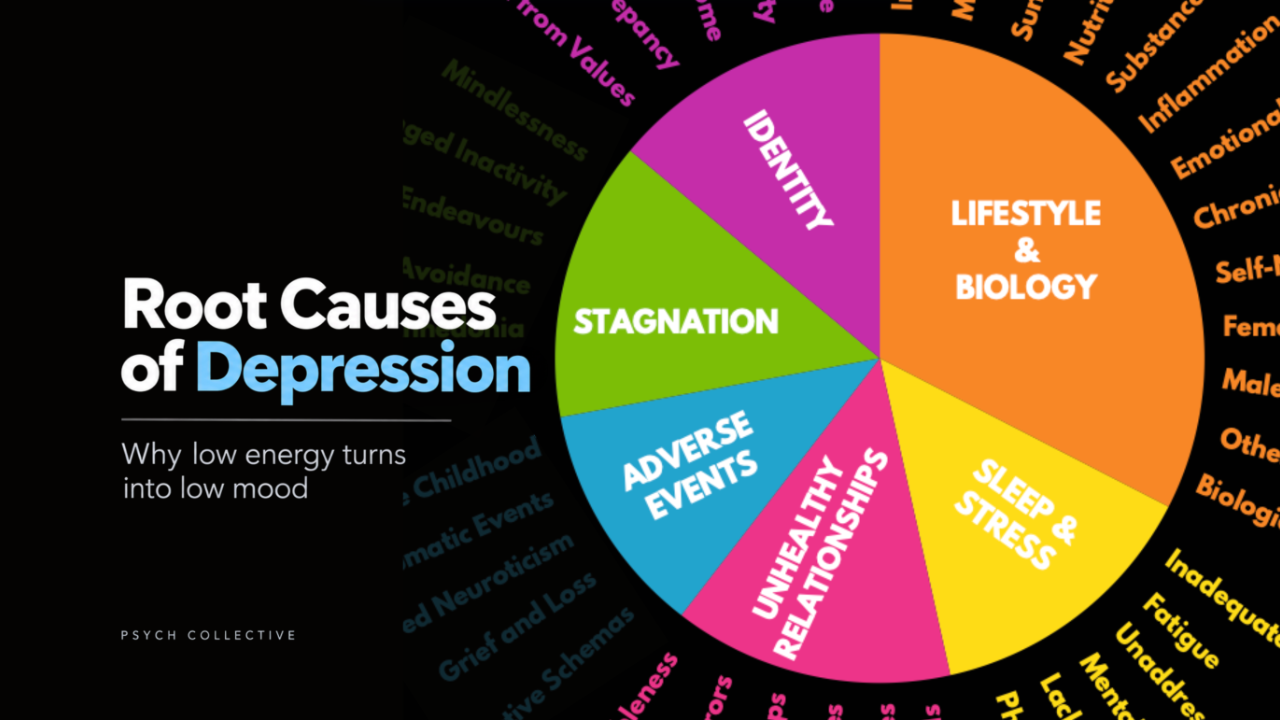
In The Depression Solution, we use a root cause wheel to help people widen the search. The aim is not to find one perfect explanation. The aim is to identify the load on the system.
Common root causes sit across several broad areas:
Lifestyle and biology: inadequate movement, alcohol, substances, inflammation, chronic pain, hormonal problems, nutritional excess, sunlight deficiency, mitochondrial toxins and self-neglect.
Sleep and stress: inadequate sleep, fatigue, unaddressed thoughts, mental chaos, lack of routine and physical clutter.
Unhealthy relationships: people-pleasing, poor boundaries, toxic relationships, anger episodes, draining people and destructive personality dynamics.
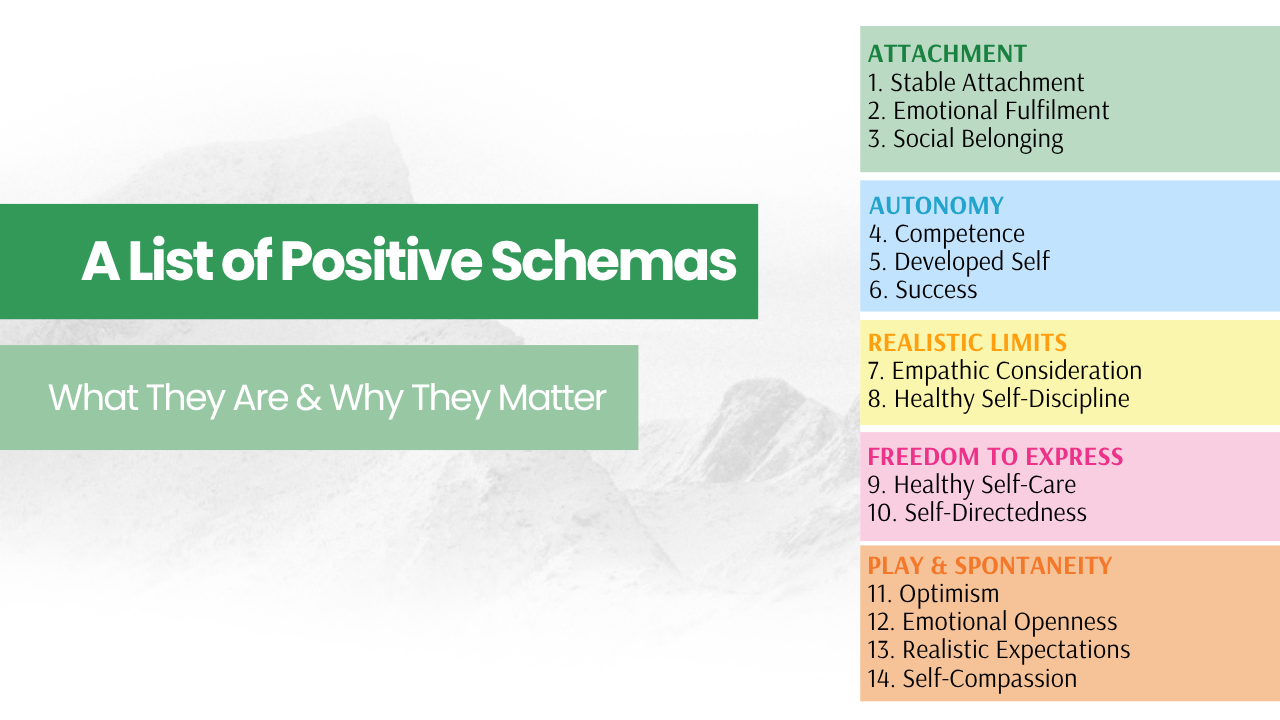
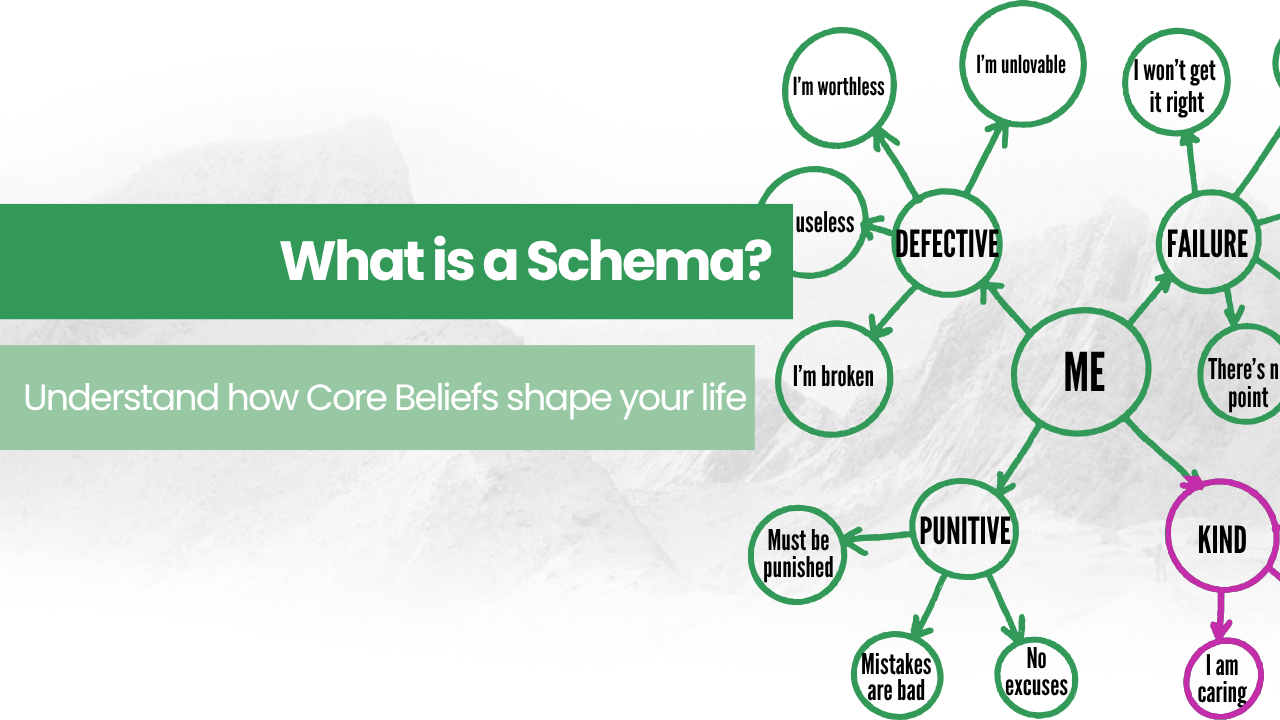
Adverse events: adverse childhood experiences, traumatic events, grief, loss and negative schemas.
Stagnation: lack of meaning, lack of challenge, lack of progress, lack of discipline, too much comfort, too little responsibility, or a life that has stopped asking anything worthwhile of you.
Identity: disconnection from values, victim mode, shame, low self-respect, loss of role, or living out a version of yourself that no longer fits.
Most people will recognise more than one.
That matters. If five things are draining your system, fixing one may help but not fully shift the depression. Reducing alcohol may improve energy, but if you are still living in a toxic relationship, the stress load remains. Leaving a toxic job may help, but if you are still sleeping badly, eating poorly and disconnected from any meaningful role, the system may stay depleted. Therapy may help you understand your patterns, but if chronic pain, inflammation or alcohol is constantly attacking the energy system, insight may not be enough.
This is why depression often needs a map rather than a slogan.
Stagnation: When Life Stops Producing Positive Emotion
One root cause worth looking at closely is stagnation.
Stagnation is not rest. Rest restores you. Stagnation slowly weakens you.
A person can be busy and stagnant at the same time. They may be answering emails, paying bills, attending appointments, scrolling, watching shows, taking care of basic obligations and getting through the week. From the outside, they may look functional. But internally, nothing is moving.
No meaningful progress.
No challenge that builds strength.
No goal that matters.
No sense of becoming more capable.
No direction that creates pride.
This matters because positive emotion is not just something that appears when life is comfortable. A great deal of positive emotion comes from movement toward something worthwhile. Progress creates energy. Competence creates confidence. Courage creates self-respect. Discipline creates trust in yourself.
When those disappear, life becomes flat.
Too much comfort can become its own trap. Avoid the hard thing for long enough and the world gets smaller. Stop using your body and it weakens. Stop using courage and fear grows. Stop taking responsibility and self-respect drops. Stop pursuing meaningful goals and the future stops pulling you forward.
In that state, depression makes sense.
The person is not simply "sad." They are under-challenged, under-strengthened and under-rewarded by their own life. They may be spared acute stress, but they are also starved of the positive emotion that comes from effort, progress and earned pride.
This is why some people do not recover by resting more. They need rest, yes, but they also need a reason to get stronger.
The way out is not to suddenly overhaul everything. A depleted person cannot sprint up the mountain. But they can begin applying effort where effort will actually compound.
That means choosing tasks that rebuild capacity rather than merely consume attention.
Strength training is different from fidgeting around the house.
A hard conversation is different from rehearsing arguments in your head.
Writing a plan is different from worrying.
Cooking proper food is different from grazing.
Cleaning your room is different from moving clutter from one pile to another.
Going outside into sunlight is different from lying on the couch thinking about going outside.
The distinction matters.
Depression often leaves people spending energy without getting stronger. They ruminate, avoid, scroll, tidy at the edges, apologise repeatedly, promise themselves they will start tomorrow, or do just enough to reduce immediate guilt. Energy is spent, but nothing is built.
Recovery requires a different kind of expenditure.
Not heroic effort. Not a dramatic life overhaul. Just effort that produces a return: more strength, more order, more clarity, more skill, more honesty, more fitness, more competence, more self-respect.
This is why stagnation belongs on the root cause map. A life without meaningful movement will eventually start to feel lifeless. The antidote is not busyness. It is directed effort: the kind that slowly rebuilds the person who has been eroded by avoidance, comfort and fatigue.
How To Start Looking For Your Own Root Causes
Once you start looking at depression this way, the question changes.
It is no longer simply:
"How do I stop feeling depressed?"
It becomes:
What is draining my system?
What is keeping negative emotion switched on?
What has reduced my access to positive emotion?
What biological, relational or identity-level problems need to be repaired?
What would give me enough energy to start acting again?
These are not always easy questions to answer alone. When a person is depressed, their thinking can become narrow, hopeless or self-attacking. A good clinician can help separate signal from noise, identify patterns, and work out what to address first.
The goal is not to blame yourself for being depressed. The goal is to recover enough clarity to see the load on the system.
From there, recovery becomes more practical.
Not easy. But practical.
Where To Go Next
This article is based on the framework from The Depression Solution, a practical guide by Dr Al Griskaitis and Jessica O'Garr.
The book goes further into the energy model of depression, the role of sensitivity, how medications may help or fail to help, and the full root cause checklist.
If you want to work through the broader map, you can find the book here:
Read The Depression Solution: https://www.thepsychcollective.com/the-depression-solution
For related reading, you may also find these useful:
- The Five Dials: A Practical Guide to Medication and Mental Health: https://www.thepsychcollective.com/blog/the-five-dials-a-practical-guide-to-medication-and-mental-health
- Mood resources: https://www.thepsychcollective.com/mood
- Emotions resources: https://www.thepsychcollective.com/emotions
- The Distress Cycle: https://www.thepsychcollective.com/blog/distress-cycle
FAQ
What are the root causes of depression?
There is rarely one single root cause. Depression often emerges when several factors combine to deplete the system: chronic stress, low positive emotion, high negative emotion, poor sleep, alcohol, inflammation, pain, trauma, unhealthy relationships, stagnation, identity issues, hormonal problems, lack of movement, and other biological or psychological pressures.
Is depression caused by a chemical imbalance?
The "chemical imbalance" explanation is too simple. Depression is not best understood as simply low serotonin. Medication may help some people, but depression is usually more complex than a single neurotransmitter problem. A more useful question is what is driving and sustaining the depressive state.
Can low energy cause depression symptoms?
Low usable energy can contribute to many depressive symptoms: low motivation, poor concentration, reduced pleasure, social withdrawal, irritability, low resilience and difficulty solving problems. Depression is often experienced not just as sadness, but as a collapse in mental and emotional capacity.
What is anhedonia?
Anhedonia is the reduced ability to feel pleasure, interest or reward. It is common in depression. In practical terms, the person may know that something used to matter or feel good, but they cannot access the usual emotional response.
Can alcohol make depression worse?
Yes. Alcohol may temporarily numb distress, but it can worsen sleep, energy, anxiety, irritability and mood the next day. For someone already depressed, alcohol may become one of the drains that keeps the energy system from recovering.
How do I find my own root causes?
Start by asking what is draining your system and what is keeping negative emotion switched on. Look across biology, sleep, stress, relationships, adverse events, stagnation and identity. If you are stuck, a psychologist, psychiatrist or skilled therapist can help you identify the main loads on the system and what to address first.
Sources and reference links
- World Health Organization depression fact sheet
- The serotonin theory of depression umbrella review
- Psychological stress and mitochondria systematic review
- Stress and psychiatric disorders the role of mitochondria
- NIAAA hangovers
- Creatine supplementation for symptoms of depression
- BMJ effect of exercise for depression
About Our Resources