Schema Coping Modes: FIGHT
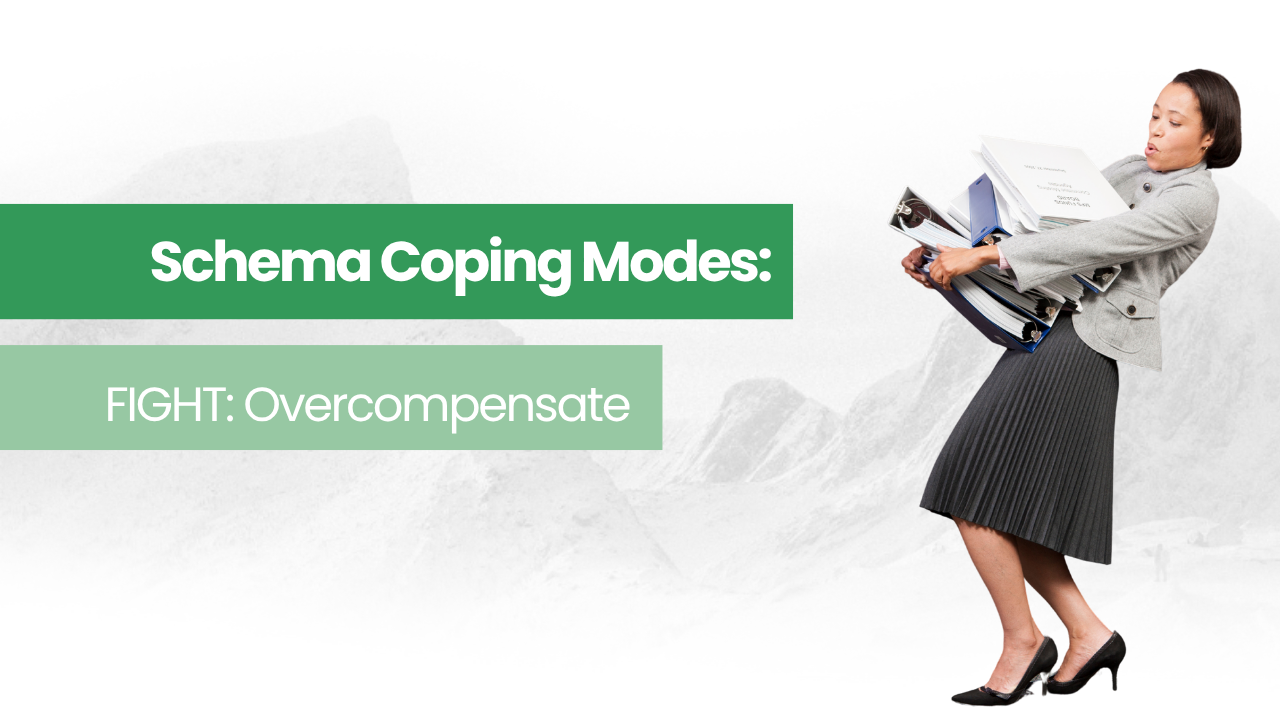
Schema Therapy Fight Coping Modes: The Four Ways We Overcompensate
Written by Jess O'Garr, Clinical Psychologist and Schema Therapy trainer at The Psych Collective.
Fight Coping Modes are Maladaptive Coping Modes in Schema Therapy that attempt to protect us from vulnerability by fighting against it, controlling it or behaving as though the opposite is true. Rather than feeling vulnerable, inadequate, unsafe or rejected, we might become perfectionistic, controlling, suspicious, dominant or overly confident.
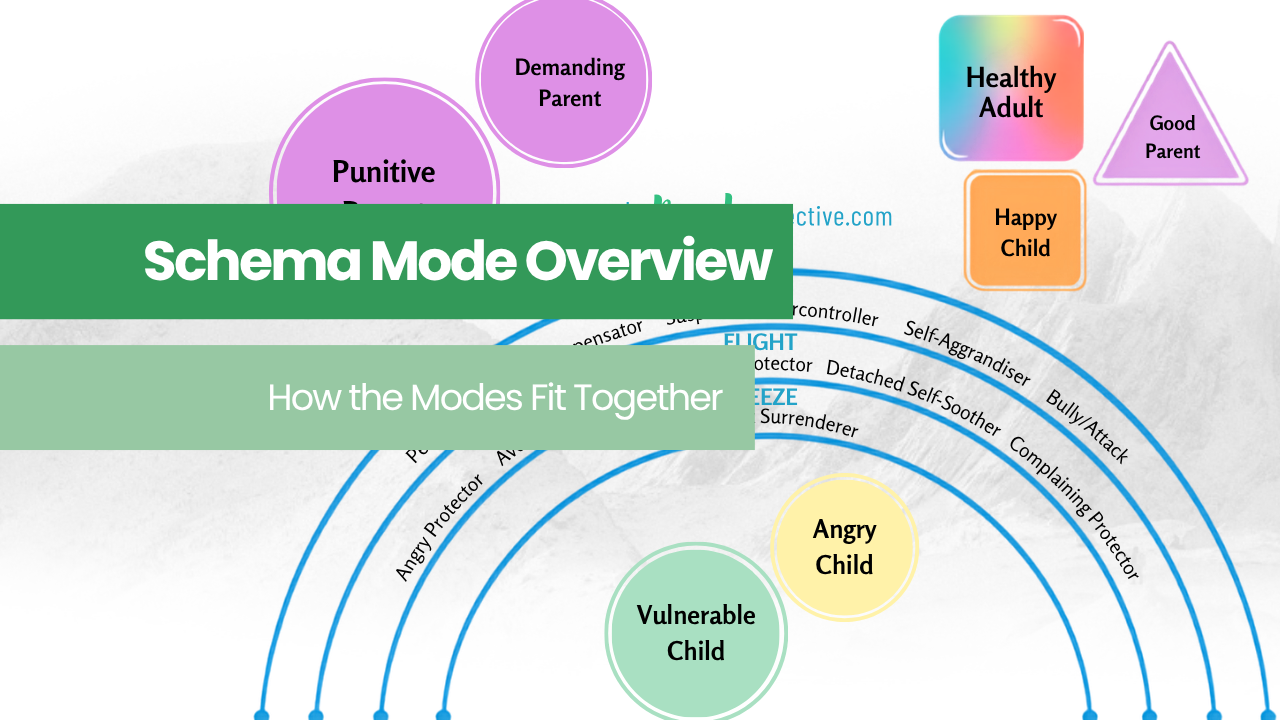
In Schema Therapy, we often group our coping responses broadly into fight, flight, and freeze. These are the strategies we learned to use to manage difficult emotions, unmet emotional needs and the activation of our schemas. They usually developed for a reason and, at some point, probably helped us cope. The problem is that what protected us earlier in life doesn't necessarily work particularly well for us as adults.
The Fight Coping Modes are particularly interesting because they often don't look vulnerable. Someone may appear incredibly confident, capable, controlling, successful, intimidating or completely self-sufficient. But underneath that presentation, there can still be a Vulnerable Child who is desperately trying not to feel inadequate, rejected, unsafe, mistrustful or not good enough.
There are four main Fight Coping Modes in our Schema Mode model: the Perfectionistic Overcompensator, Suspicious Overcontroller, Bully and Attack, and Self-Aggrandiser.
What are Maladaptive Coping Modes in Schema Therapy?
To understand the Fight Modes, it helps to understand why we have coping modes in the first place.
When an important emotional need isn't being met, our Vulnerable Child Mode can become activated. We might feel frightened, rejected, lonely, ashamed, inadequate or unsafe. These emotions can be incredibly uncomfortable, particularly if we never learned how to recognise, tolerate or soothe them.
So we develop ways of coping.
In Schema Therapy, we call these Maladaptive Coping Modes. The word maladaptive doesn't mean the strategy was always useless. Quite often, it made perfect sense in the environment where it developed. The problem is that the strategy becomes automatic and keeps running even when it is no longer helpful.
A coping mode essentially says: "I don't want to feel this vulnerability, so I'm going to do something to get away from it."
Fight, flight and freeze just do that in different ways.
What does "fight" mean in Schema Therapy?
When people hear Fight Mode, they often assume we're talking about anger or aggression. Sometimes we are, especially with modes like Bully and Attack, but fighting vulnerability can be much more subtle.
Fight Coping Modes generally overcompensate for the underlying schema or vulnerable feeling. Instead of allowing ourselves to feel inadequate, we might try to be perfect. Instead of acknowledging that we feel unsafe or mistrustful, we might attempt to control everything and everyone around us. Instead of feeling inferior, we might present ourselves as superior.
The Fight Mode essentially tries to prove that the vulnerability isn't true.
Someone who feels deeply inadequate might become relentlessly successful. Someone who expects other people to hurt them might become highly suspicious and controlling. Someone who feels inferior might dominate or attack other people. Someone who fears being insignificant might present themselves as exceptional.
From the outside, you see the coping behaviour.
In Schema Therapy, we're interested in what is happening underneath it.
What are the four Fight Coping Modes?
The four Fight Coping Modes are different ways of overcompensating for vulnerability. A person can have more than one and may move between them depending on the situation, relationship or schema that has been activated.
1. Perfectionistic Overcompensator Mode
The Perfectionistic Overcompensator tries to protect against vulnerability by getting everything right. The underlying attitude is often something like: If I do everything perfectly, nobody can criticise me, doubt me or see my weaknesses.
This mode can look incredibly functional from the outside. People may be hardworking, organised, conscientious and successful. They can also find it extremely difficult to stop. There is always another task, another standard to meet or another thing that could be improved.
The problem is that perfection doesn't actually resolve the vulnerability underneath it. If your worth depends on getting everything right, every mistake becomes evidence that perhaps you aren't good enough after all. That can drive even more perfectionism, overworking and pressure.
Over time, the Perfectionistic Overcompensator can contribute to exhaustion and burnout while reinforcing the shame or inadequacy it was trying to protect against in the first place.
Read more: Perfectionistic Overcompensator Mode →
2. Suspicious Overcontroller Mode
The Suspicious Overcontroller manages vulnerability by staying alert, suspicious and in control. The underlying attitude is often: Other people can't be trusted, so I need to stay one step ahead.
This mode may closely monitor other people's behaviour, look for signs that something is wrong, question other people's motives or prefer to do everything themselves rather than relying on somebody else. Control provides a sense of protection because if you can anticipate every possible threat, you may not be caught off guard.
Again, the strategy makes more sense when we look underneath it. If you have learned that people can be unpredictable, unsafe or untrustworthy, being suspicious may once have helped you protect yourself.
The difficulty is that constantly looking for evidence that other people can't be trusted makes it very difficult to experience safe, reciprocal relationships. The strategy designed to protect you from being hurt can eventually make closeness and trust much harder.
Read more: Suspicious Overcontroller Mode →
3. Bully and Attack Mode
The Bully and Attack Mode protects against vulnerability by putting somebody else in the vulnerable position. When the person feels threatened, inadequate or exposed, the attention shifts outwards: "I'm going to attack you before you can expose, hurt or diminish me."
This can involve intimidation, criticism, humiliation, aggression, dominance, or deliberately focusing on another person's weaknesses. By making somebody else feel smaller, the person temporarily avoids their own sense of vulnerability.
Bully/Attack differs from Angry Child Mode. As we explain in our Angry Child article, the Angry Child is essentially communicating: "Something is wrong. Come here and help me fix it". Bully/Attack has a different function. The focus is on attacking or dominating the other person to protect against feeling vulnerable oneself.
Understanding the function of the mode helps explain the behaviour, but it doesn't excuse harmful behaviour. Part of Schema Therapy is learning to recognise why the mode developed while also taking responsibility for changing behaviour that hurts other people.
Read more: Bully and Attack Mode →
4. Self-Aggrandiser Mode
The Self-Aggrandiser Mode fights vulnerability by presenting an exaggerated sense of confidence, importance, success or superiority. Rather than allowing other people to see insecurity or inadequacy, the person presents the opposite.
This might involve showing off, exaggerating achievements, seeking status or attention, needing to be recognised as exceptional, or behaving as though ordinary rules and expectations shouldn't apply to them. For some people, they are aware that this presentation compensates for insecurity. For others, they may have little awareness of the vulnerability underneath it.
Again, the important question from a Schema Therapy perspective isn't simply "Why is this person showing off?" It is: "What would happen if they stopped?"
If being ordinary, making mistakes or not receiving admiration immediately activates feelings of worthlessness or inadequacy, the Self-Aggrandiser has an important protective function. The work is learning that self-worth doesn't have to depend on continually proving superiority to other people.
Read more: Self-Aggrandiser Mode →
Why do Fight Coping Modes develop?
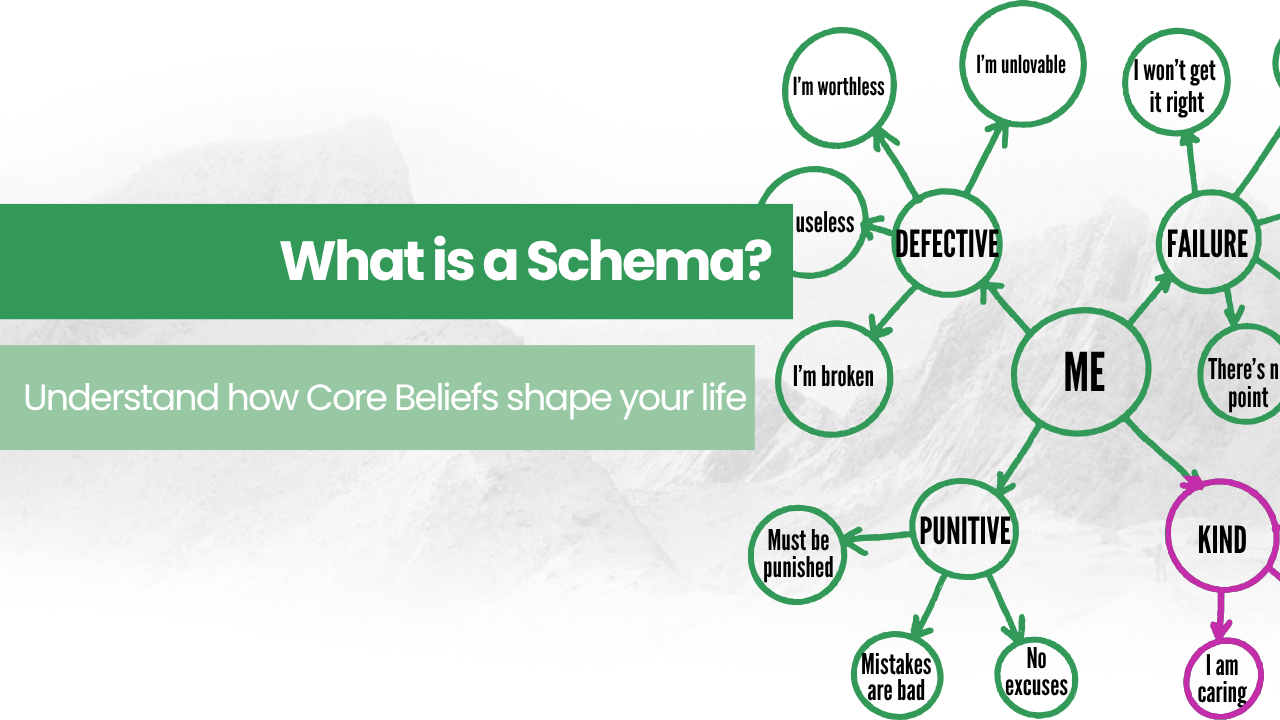
Fight Modes usually make much more sense when you understand the schemas and unmet core emotional needs underneath them.
A child who is constantly criticised may learn to protect themselves by trying to become perfect. Someone who experiences betrayal or unpredictable caregiving may learn that staying suspicious and in control feels safer than trusting. Someone who repeatedly feels powerless may discover that being dominant prevents other people from having power over them.
These strategies can become incredibly well-practised. Eventually, the person may no longer notice the vulnerable feeling at all. They simply experience the urge to work harder, take control, attack, prove themselves or make sure nobody gets the upper hand.
That's why Schema Therapy doesn't simply try to remove the coping mode. We want to understand what it is protecting.
How do you change Fight Coping Modes?
The first step is mode awareness. Start noticing when the mode appears, what triggered it and what it makes you want to do. If you suddenly need to control everything, prove yourself, get something absolutely perfect or tear somebody else down, get curious about what happened immediately beforehand.
Then look underneath the behaviour. What vulnerability is the Fight Mode trying to stop you from feeling? Did you feel criticised? Inadequate? Rejected? Unsafe? Embarrassed? Powerless? Did an old schema just get activated?
This gives the Healthy Adult Mode an opportunity to respond differently. Instead of automatically fighting against the vulnerability, the Healthy Adult can recognise it, work out which emotional need has been triggered and choose a response that actually helps.
The goal isn't to get rid of confidence, achievement, assertiveness or the ability to protect yourself. These can all be incredibly healthy qualities. The goal is to no longer need them as a defence against vulnerability.
Frequently asked questions about Fight Coping Modes
What are the Fight Coping Modes in Schema Therapy?
The four Fight Coping Modes in our Schema Mode model are the Perfectionistic Overcompensator, Suspicious Overcontroller, Bully and Attack, and Self-Aggrandiser. They are different ways of overcompensating for schemas and vulnerable emotions.
Are Fight Coping Modes always aggressive?
No. Fight does not necessarily mean physical or verbal aggression. Perfectionism, overachievement, excessive control, suspicion, and exaggerated confidence can all function as Fight responses when used to protect against underlying vulnerability.
Are Fight Coping Modes the same as the Angry Child?
No. The Angry Child is a Child Mode, while Fight Coping Modes are Maladaptive Coping Modes. The Angry Child expresses anger about an unmet need and attempts to draw attention to the problem. Fight Coping Modes attempt to manage or protect against underlying vulnerability.
Can you have more than one Fight Coping Mode?
Yes. People can use different coping modes in different situations and can move between fight, flight and freeze responses. The important question isn't simply which mode you "are", but which mode is being activated, what triggered it and what it is trying to protect you from.
Understanding your Fight Coping Modes
Your coping modes developed for a reason. Schema Therapy isn't about criticising yourself for having them. It's about understanding why they developed, recognising when they're taking over and deciding whether they're still helping you.
If you recognise yourself in one of the four Fight Modes above, follow through to the individual mode article. We'll look more closely at what triggers each mode, what it looks like, which needs and schemas sit underneath it, and how the Healthy Adult can respond differently.
Want to understand your Schema Modes?
Our Complete Set of Schema Mode Therapy Worksheets helps you build awareness of your schema modes and develop plans for mode management. Our Schema Therapy Cards can make different modes easier to identify and offer skills to strengthen your Healthy Adult.
Explore our Schema Therapy resources →
Using Schema Modes with clients?
Recognising a coping behaviour isn't enough. Effective Schema Mode Therapy requires understanding the mode's function, the schema and unmet need underneath it, and the next intervention required. Our Schema Therapy Clinician Guide provides practical tools for formulation and intervention, while my Schema Therapy and Schema Mode Therapy training focuses on translating this model into practical clinical work.
Explore upcoming Schema Therapy training →
About Our Resources