How To Give a Blanket Hug
How to Give a Blanket Hug
A Gentle Way to Comfort the Vulnerable Child Without Crossing Therapeutic Boundaries
By Jess O'Garr, Clinical Psychologist
I still remember the day when my client walked into my office and said: "My grandmother died last night". She fell apart. And I cursed those therapeutic boundaries that stop me from giving her a hug.
So I gave her a blanket hug instead.
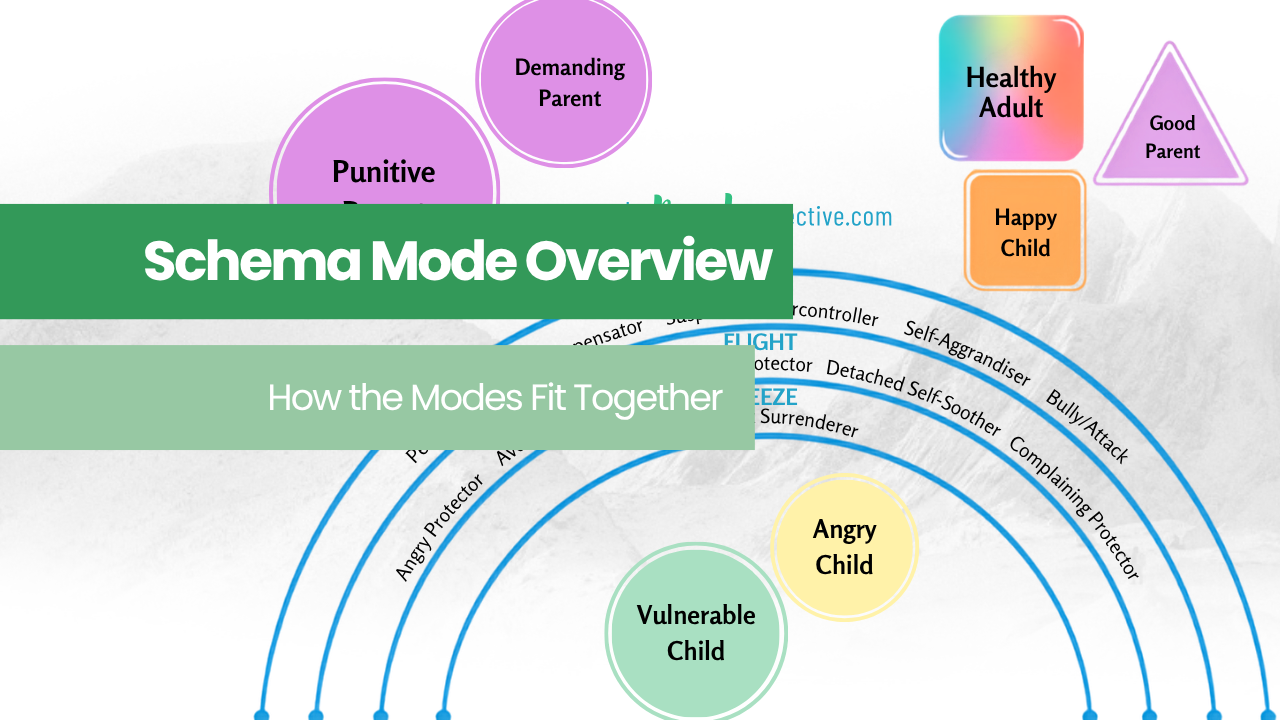
One of the hardest moments in therapy is sitting with a client whose Vulnerable Child mode has just come to the surface.
They're overwhelmed.
They're scared.
They're crying.
Every instinct as a therapeutic Good Parent wants to comfort them.
Many therapists have experienced that moment of wondering, "I wish I could just give them a hug."
Sometimes a hug may be appropriate. Often it isn't.
Professional boundaries, power differences, trauma histories, cultural factors and personal preferences all need to be considered. Many clients (particularly survivors of abuse) may find physical touch confusing, overwhelming or even frightening.
So how do we communicate warmth, safety and protection without actually holding the client?
One of my favourite techniques is something I call the Blanket Hug.
It creates a powerful sense of containment while allowing the client to remain completely in control of their own body.
I've used this intervention with many clients during schema therapy, particularly when working with the Vulnerable Child mode, and it often becomes one of the techniques they continue using long after therapy has finished.
Why a Blanket Hug Works
When clients enter Vulnerable Child mode, they aren't simply remembering being frightened.
Their nervous system is experiencing that fear again.
The body becomes activated.
The chest tightens.
Breathing changes.
They may feel exposed, small, alone or unsafe.
Our job as therapists isn't simply to challenge thoughts.
Our job is to help the nervous system experience safety.
The Blanket Hug provides three things simultaneously:
- gentle physical containment
- a sense of protection
- corrective emotional experiences through Healthy Adult nurturing
Instead of the therapist providing physical comfort directly, the blanket becomes the comforting object.
The client controls the pressure.
The client decides how long it stays on.
The client can stop at any time.
That sense of control is particularly important for people with histories of trauma.
When to Use This Technique
The Blanket Hug works best when your client is clearly in Vulnerable Child mode.
You might notice:
- tears beginning to emerge
- feelings of shame
- sadness
- loneliness
- grief
- hopelessness
- feeling "small"
- wanting someone to rescue them
- speaking from the perspective of a frightened younger self
This is not generally a technique for Angry Child, Detached Protector or Overcompensator modes.
It is specifically designed to nurture the Vulnerable Child.
Step 1: Ask Permission
Consent always comes first.
Never assume someone wants this intervention.
A simple invitation might be:
"I'd really like to give you a blanket hug right now. Would that be okay?"
If they hesitate, don't persuade them.
Offer alternatives instead.
The intervention only works when the client genuinely chooses it.
Step 2: Let the Client Stay in Control
Use a soft blanket or weighted blanket if appropriate.
Rather than wrapping the client yourself, invite them to participate.
You might say:
"Could you lean forward for just a moment?"
Place the blanket behind their back—not around the chair—and hand each side of the blanket to them.
Then invite them to cross the blanket over themselves.
Say something like:
"Pull it as tightly or as loosely as feels comfortable."
This is important.
The client controls:
- how much pressure they want
- where the blanket sits
- when they let go
Nothing is imposed upon them.
Step 3: Invite Them to Settle
Once they're holding the blanket, slow everything down.
Encourage them to close their eyes if they feel comfortable.
Invite them to notice the feeling of being held.
You might say:
"Just take a moment to settle into this feeling."
"Notice that you're completely in control."
"This can be as tight or as loose as you need."
Many clients visibly soften during this stage.
Breathing slows.
Muscles relax.
The body begins shifting out of threat mode.
Step 4: Speak to the Vulnerable Child
Now comes the most important part.
Don't talk to the client's adult self.
Talk directly to the Vulnerable Child.
This isn't about giving generic compliments.
It's about becoming the Healthy Adult voice that many clients never had growing up.
It's the Good Parent voice that says:
"I see you"
"I hear you"
"I'm here with you"
Keep your voice slow.
Warm.
Gentle.
Allow pauses.
Let each sentence land before moving to the next.
Tailor Your Words
The most powerful nurturing messages are never generic.
They're specific.
During one training demonstration, I spoke to a therapist attending the workshop.
Rather than saying, "You're doing great," I reflected things I'd genuinely observed.
I acknowledged the long drive she had made to attend.
I recognised how much pain she was in.
I commented on the sacrifices she had made to spend time away from her family because therapy mattered to her.
I told her I could see how deeply she cared about her grandmother.
Within moments, tears appeared.
Not because the words were magical.
Because they were true.
People long to feel genuinely seen.
When you can reflect specific examples of courage, effort, kindness or persistence, those messages land far more deeply than broad reassurance ever will.
Examples of Good Parent Messages
As you speak, imagine you're talking to a frightened child who desperately needs someone safe.
You might say:
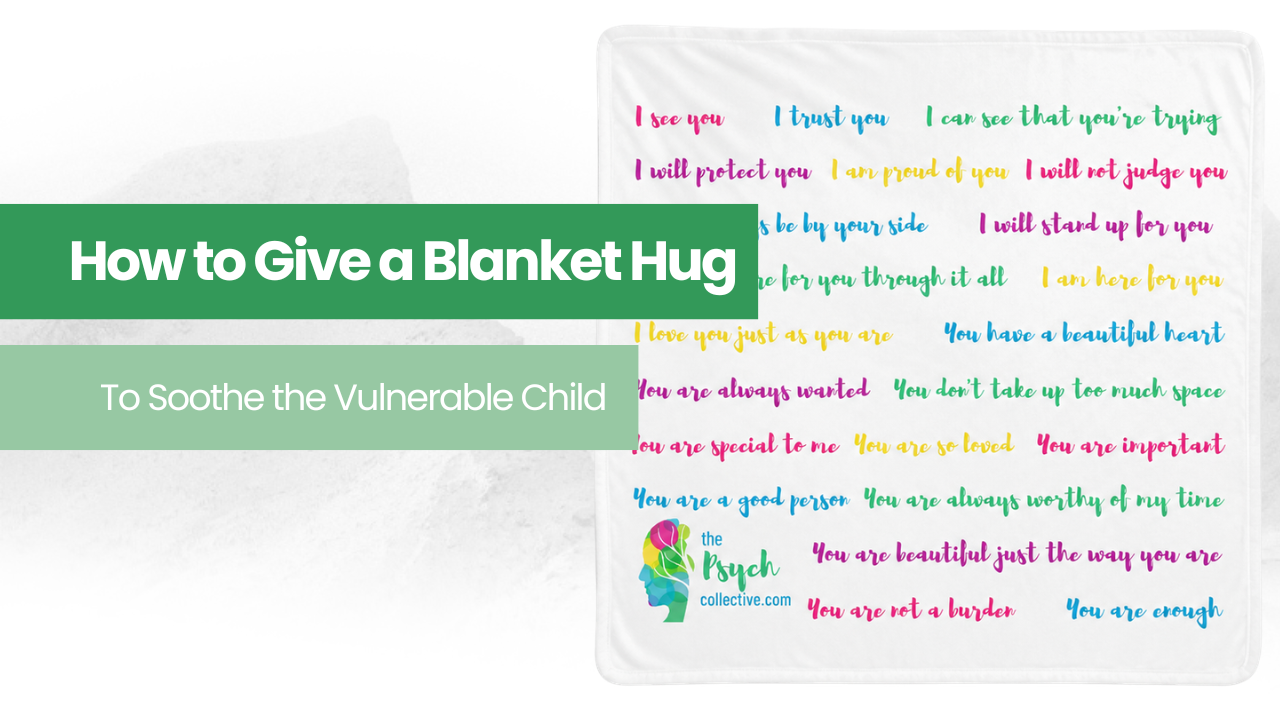
I will guide you.
I care about you.
I'm proud of you.
Good on you for trying.
I can see you're giving it a go.
You have a beautiful heart.
I can see how strong you are.
You are important.
You are enough.
I love you just the way you are.
I accept you exactly as you are.
I won't judge you.
I'll support you no matter what.
We can do this together.
You can talk to me about anything.
I will protect you.
I won't let anyone hurt you.
I'll always be by your side.
If you fall, I'll help you back up.
You are loved.
You don't need to read through a long list.
Choose the messages that fit what this client most needed to hear growing up.
Sometimes just three heartfelt statements are more powerful than thirty.
Can't think what to say? We have a Script for that.
Speak to What You Can See
Some of the strongest Good Parent messages come from reflecting what has happened in the therapy room.
For example:
"I can see how hard you've fought to get here today."
"I know how frightened this feels."
"You've carried this on your own for a very long time."
"I can see how much you care about the people around you."
"Even though this is hard, you keep showing up."
When clients feel deeply understood, they become much more able to receive nurturing.
Your Voice Matters
Many therapists worry they don't sound nurturing enough.
That's normal.
For many clinicians, speaking gently feels awkward at first.
Especially if your own Detached Protector mode is sitting nearby saying:
"This feels cringe."
Clients don't need perfection.
They need authenticity.
Slow your pace.
Lower your volume slightly.
Leave pauses.
Imagine you're speaking to a frightened six-year-old who has just crawled into your lap after a nightmare.
That warmth naturally changes your tone.
Here is a demonstration from Jess on how to give yourself a blanket hug:
When Not to Use the Blanket Hug
This intervention isn't appropriate for everyone.
Avoid using it if:
- the client does not consent
- physical containment would be triggering
- the client feels uncomfortable
- the intervention would blur therapeutic boundaries
- it isn't culturally appropriate
- there are infection control or medical concerns
Like every schema therapy intervention, the relationship comes first.
The Blanket Hug is an invitation, never an expectation.
The Real Healing Isn't the Blanket
The blanket isn't what heals people.
Your words aren't even what heals people.
The healing comes from something much deeper.
For perhaps the first time in their life, someone experiences what it feels like to be emotionally held without needing to earn it.
To be accepted without performing.
To be comforted without being rescued.
To be protected while still remaining in control.
That is the essence of Limited Reparenting.
The blanket simply gives the nervous system somewhere safe to receive it.
Bringing It Into Your Practice
If you're learning schema therapy, the Blanket Hug is a simple intervention that can transform moments when the Vulnerable Child emerges. It offers clients a deeply felt experience of safety while maintaining appropriate therapeutic boundaries and reinforcing the Healthy Adult mode.
We sell Blankets that have the Good Parent script printed on them, so you can read the words when you run out of things to say. Available in Kids and Adult sizes. Get yours here. We ship internationally.
Like all Limited Reparenting interventions, it becomes more powerful when it is genuine, personalised and delivered with warmth. Clients rarely remember the exact words we said. They remember how we made them feel.
If you're looking to build your confidence with schema therapy and Limited Reparenting, our Schema Therapy Workshop and Schema Mode Therapy workshop include live demonstrations of interventions like the Blanket Hug, chair work, imagery rescripting and Healthy Adult dialogues. We also provide practical resources, including our Schema Therapy Cards, so you can bring these skills straight into the therapy room.
About Our Resources