Angry Child Mode
What Is the Angry Child Mode in Schema Therapy?
Written by Jess O'Garr, Clinical Psychologist and Schema Therapy trainer at The Psych Collective.
The Angry Child Mode is the part of us that becomes angry when we believe something is unfair or an important emotional need isn't being met. Its function is actually pretty simple: the Angry Child identifies that there is a problem, draws attention to it and expresses a desire for something to change.
Anger itself isn't the problem. Anger is an incredibly useful emotion. It tells us when something feels wrong, when we've been mistreated, when someone we care about has been hurt or when something important to us is being ignored. When harnessed appropriately, anger can be one of our most powerful motivators for change.
The problem with the Angry Child Mode is usually not the message. It's the delivery.
What does the Angry Child Mode look like?
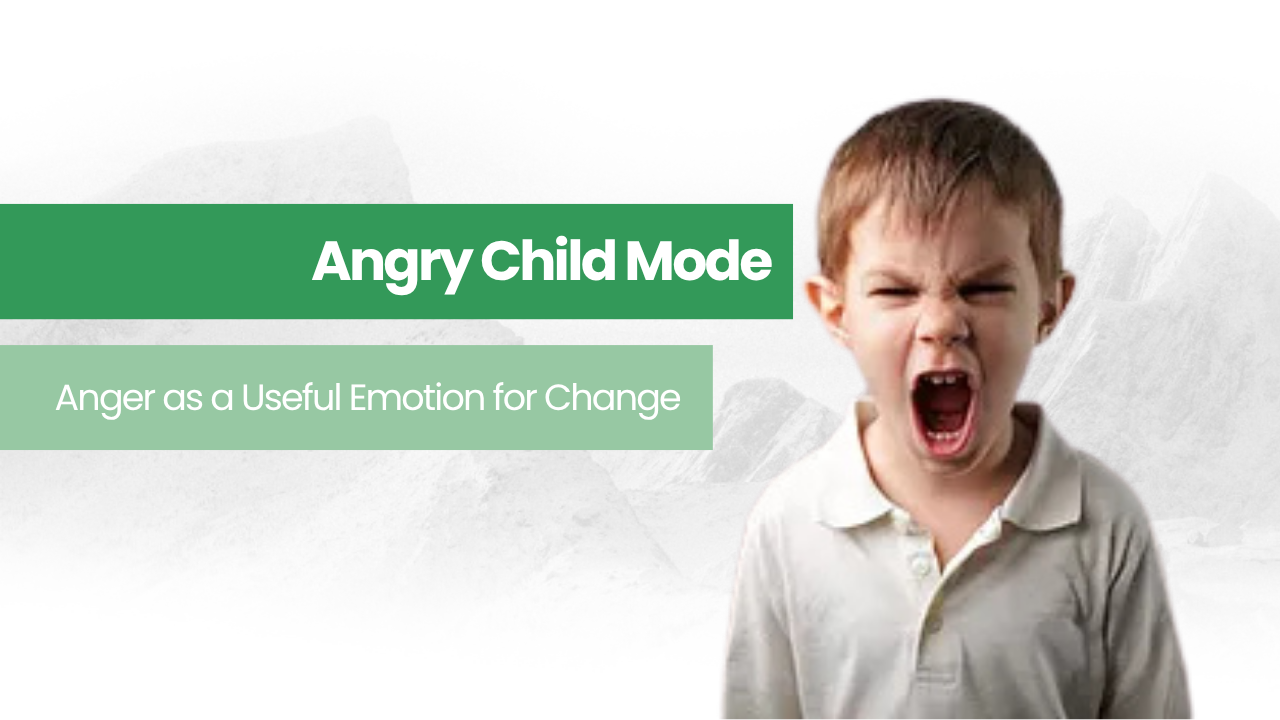
For some people, the Angry Child is very obvious. It may involve yelling, screaming, shouting, swearing, throwing or breaking things, slamming doors, impulsive behaviour, or an explosive expression of anger. Thoughts can become very focused on unfairness: "This isn't fair. How could they do this to me? I want this fixed now."
But the Angry Child doesn't always look angry from the outside. If you grew up in an environment where anger resulted in punishment, intimidation, rejection or violence, you may have learned that expressing anger isn't safe. Instead, you might internalise it, withdraw or give someone the silent treatment. Other people may not see much anger at all, even though internally you are furious.
This is why identifying a Schema Mode isn't simply about looking at the behaviour. We also need to understand its function. The Angry Child is trying to communicate that something isn't okay and that there is an unmet core emotional need that requires attention.
Watch the Video
Hear Jess describe the Angry Child Mode
Why do we have an Angry Child Mode?
Think about a small child whose favourite toy has just been taken away or who has been told they can't have ice cream for dessert. What do they do? Probably throw a tantrum.
The function of the tantrum is to communicate: "I'm not okay with this. I want something different to happen. Come here and fix it."
That makes sense developmentally in a young child. They don't yet have particularly sophisticated emotional regulation, communication or problem-solving skills. They have a strong emotion, express it loudly, and hope somebody responds.
The difficulty comes when we continue using essentially the same strategy as adults. An adult version of the Angry Child might yell, swear, storm out, slam a door, send an angry message, throw something or demand an immediate response. The behaviour is more adult, but the underlying message can still be remarkably similar: "I'm hurt. This isn't fair. I need you to understand that there is a problem and I want you to do something about it."
What triggers the Angry Child Mode?
Anger is commonly triggered by a sense of perceived injustice or unfairness. Something has happened that feels wrong. Perhaps you've been mistreated, rejected, ignored, criticised, abandoned or taken advantage of. Perhaps somebody has crossed a boundary, or someone you care about has been hurt. Whatever the situation, there is a sense that this shouldn't be happening.
From a Schema Therapy perspective, we want to look underneath that anger and ask which emotional need hasn't been met. Your need for safety may have been threatened. Perhaps you didn't feel heard or respected. Your need for connection or belonging may have been triggered. Perhaps someone crossed an important boundary.
This is where the Angry Child connects directly with the Vulnerable Child Mode.
Underneath "I'm furious that you did that" might be "I'm really hurt by what you did."
Underneath "How dare you leave me?" might be "I'm terrified you're going to abandon me".
Underneath "Nobody ever listens to me" might be "I don't feel like I matter."
Anger matters, but it usually isn't the whole story.
When does the Angry Child become a problem?
The Angry Child becomes maladaptive when the intensity or expression of the anger starts getting in the way of actually meeting the need underneath it.
If you're yelling, screaming, throwing things or becoming intimidating, most people aren't going to move closer and ask, "Can you help me understand what's happening for you?" They're much more likely to back away. The very behaviour designed to draw someone in and communicate that there is a problem can end up pushing them away. The message gets lost.
There can also be consequences that last much longer than the anger itself. Things said in anger can't always be taken back. Relationships can be damaged. Property can be broken. Someone may get hurt. At the extreme end, impulsive actions while angry can result in serious legal consequences.
You can then end up with regrettable behaviour while the original need remains unmet.
This is an important distinction. Acting out your anger may sometimes get you what you want in that moment because another person gives in just to make the behaviour stop. But that isn't necessarily the same as getting your emotional needs met.
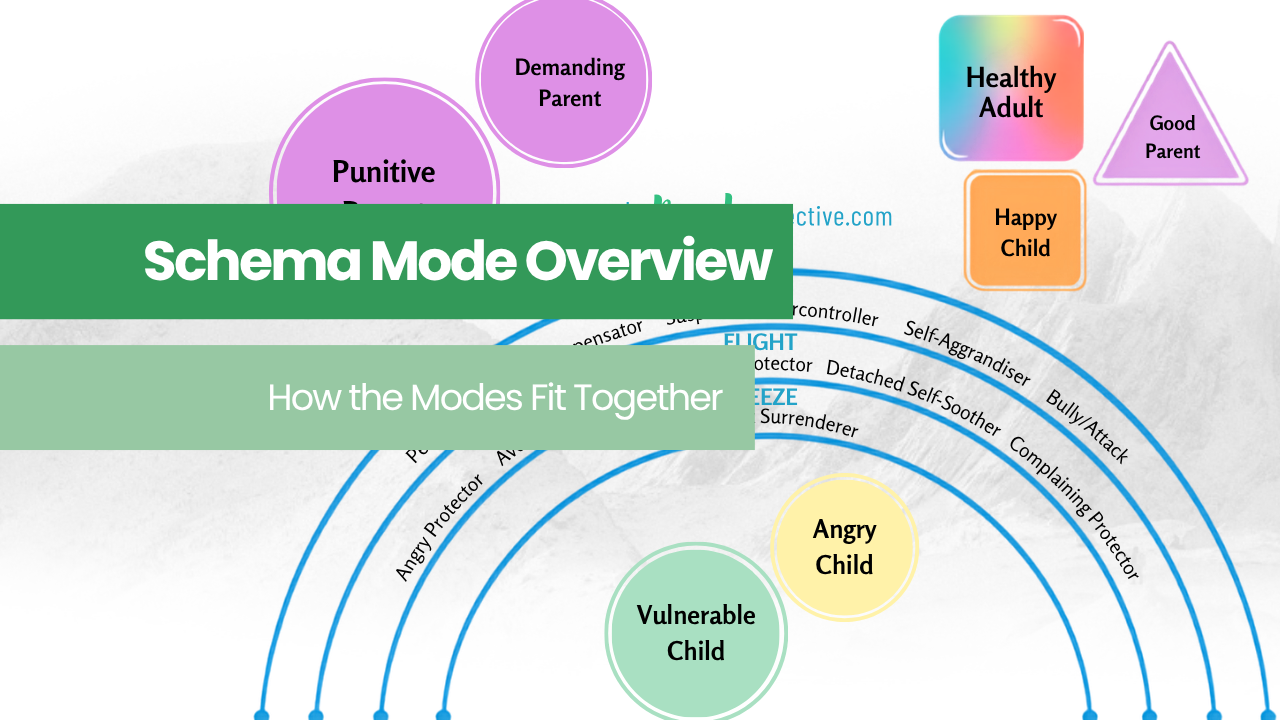
What is the difference between Angry Child, Angry Protector and Bully and Attack?
This is one of the most common questions I get about angry Schema Modes because Angry Child, Angry Protector Mode and Bully/Attack Mode can all involve anger or aggression. The easiest way to distinguish them is by looking at what the anger is trying to achieve.
The Angry Child Mode is essentially saying: Come here. Something is wrong, and I need you to help me fix it. The anger is attempting to draw attention to an unmet need and bring somebody towards the person.
The Angry Protector Mode has almost the opposite function. It says: Don't you come anywhere near me. Anger and aggression are being used defensively to push other people away because closeness or vulnerability feels threatening.
Bully/Attack Mode shifts the focus again. When the person feels threatened or vulnerable, they attack somebody else. Rather than focusing on their own vulnerability, the strategy becomes: I'm going to tear you down so that you feel vulnerable instead.
The behaviour can look similar from the outside, which is why simply seeing anger isn't enough to identify the mode. You need to understand what the anger is doing.
What does the Angry Child actually need?
Usually, the Angry Child needs to be heard and understood.
There is often a strong need for somebody to recognise that there is a real issue: I want you to hear me. I want you to understand why I'm upset. I need some validation that this matters.
That doesn't mean the other person has to agree with everything you are saying or accept inappropriate behaviour. Validation means recognising the emotional experience and the need underneath it.
Underneath the anger, we then come back to the Vulnerable Child. Perhaps you are sad, frightened, hurt, rejected or feeling mistreated. The anger may need to be safely expressed, but the vulnerability underneath it also needs to be soothed. And where there is a genuine problem that can be resolved, we can then use problem-solving to work towards meeting the actual need.
How does the Healthy Adult manage the Angry Child?
The goal in Schema Therapy isn't to get rid of anger. Your Healthy Adult Mode needs to listen.
A Healthy Adult response might begin with: "Whoa. I'm really angry right now". That acknowledgement is important because the anger probably has something useful to tell you. But instead of immediately acting on every urge that comes with it, the Healthy Adult creates enough space to decide how to respond.
For example, you might have an overwhelming urge to yell at someone who has just made you angry. The Healthy Adult can recognise the urge while also recognising the likely consequences. Rather than exploding, you can use your words. Explain what the problem is. Vent appropriately. Seek validation. Set a boundary. Ask for what you need. When you're ready, move into problem-solving. We have a handout on how to deal with difficult emotions available HERE.
Then come back to the Vulnerable Child underneath it. If you're hurt, soothe the hurt. If you're frightened, create safety. If you're feeling rejected, acknowledge the rejection rather than trying to bury it underneath rage.
The Healthy Adult attitude towards anger is essentially: anger is important and has something useful to tell me; I just need to be skilful in how I express it.
How can you safely release the physical feeling of anger?
Anger isn't only a thought or an emotion. It can be an intensely physical experience. People describe heat, muscle tension, clenched fists, restlessness, sweating and a huge surge of energy. Sometimes trying to sit completely still and calmly talk through the problem when your body is at a ten out of ten simply isn't realistic.
When I used to run Schema Therapy groups, one activity involved having people write down everything that made them angry on a large piece of paper. It could be serious things or everyday irritations: traffic, people who don't indicate, being cut off while driving, particular situations or behaviours that drive them mad. We'd put the paper on the wall, give them stress balls and ask them to notice where they could feel the anger physically. Then they would imagine channelling that energy down their arm and into the ball before throwing it at the paper.
The aim wasn't to encourage aggression. It was to help people recognise the physical experience of anger and practise deliberately doing something with that energy in a safe and controlled way.
Other strategies might involve physical activity, such as a brief burst of exercise. The key distinction is that you're deliberately managing the physiological activation rather than damaging property, frightening another person, or doing something you'll regret afterwards.
Once the intensity comes down, it becomes much easier to work out what the anger was trying to tell you in the first place.
What can other people do when someone is in Angry Child Mode?
Supporting somebody's Angry Child doesn't mean accepting whatever behaviour comes with it. In fact, boundaries are particularly important.
A useful response can hold two things at the same time: I can see that you're angry and I'm willing to hear what you're upset about. It isn't okay to swear at me, threaten me or throw things.
That communicates that the emotion is acceptable while placing limits around the behaviour.
Once the person is calmer, there is more room to listen, validate what makes sense, identify the need underneath the anger and work out whether the problem can be resolved. Eventually, the focus needs to move beneath the Angry Child to the Vulnerable Child: What actually hurt here? What did you need? What made this matter so much?
How do you work on the Angry Child Mode?
Start by getting curious about your anger rather than simply labelling it as bad.
Notice your triggers. What tends to activate your Angry Child? What does anger feel like in your body? What thoughts appear? What do you normally do next? Most importantly, what happened immediately before the anger?
Ask yourself what felt unfair and which need wasn't being met. Then look underneath the anger for vulnerability. Were you hurt? Frightened? Rejected? Ignored? Ashamed? Did you feel abandoned, controlled or unimportant?
Once you understand the message, you can decide how you want to deliver it. You can still say that something isn't okay. You can still set a boundary. You can still tell someone you're angry. You can still ask for change.
You just don't need to throw a tantrum to do it.
That's the Healthy Adult taking over the job: keeping the useful message contained within the anger while changing the way that message is communicated.
Frequently asked questions about the Angry Child Mode
What is the Angry Child Mode in Schema Therapy?
The Angry Child Mode is a Schema Mode that activates when a person perceives they have been treated unfairly or an important emotional need isn't being met. Its function is to draw attention to the problem and communicate a desire for change.
What triggers Angry Child Mode?
Common triggers include perceived unfairness, rejection, abandonment, criticism, and mistreatment
Download the handout from our Store page. 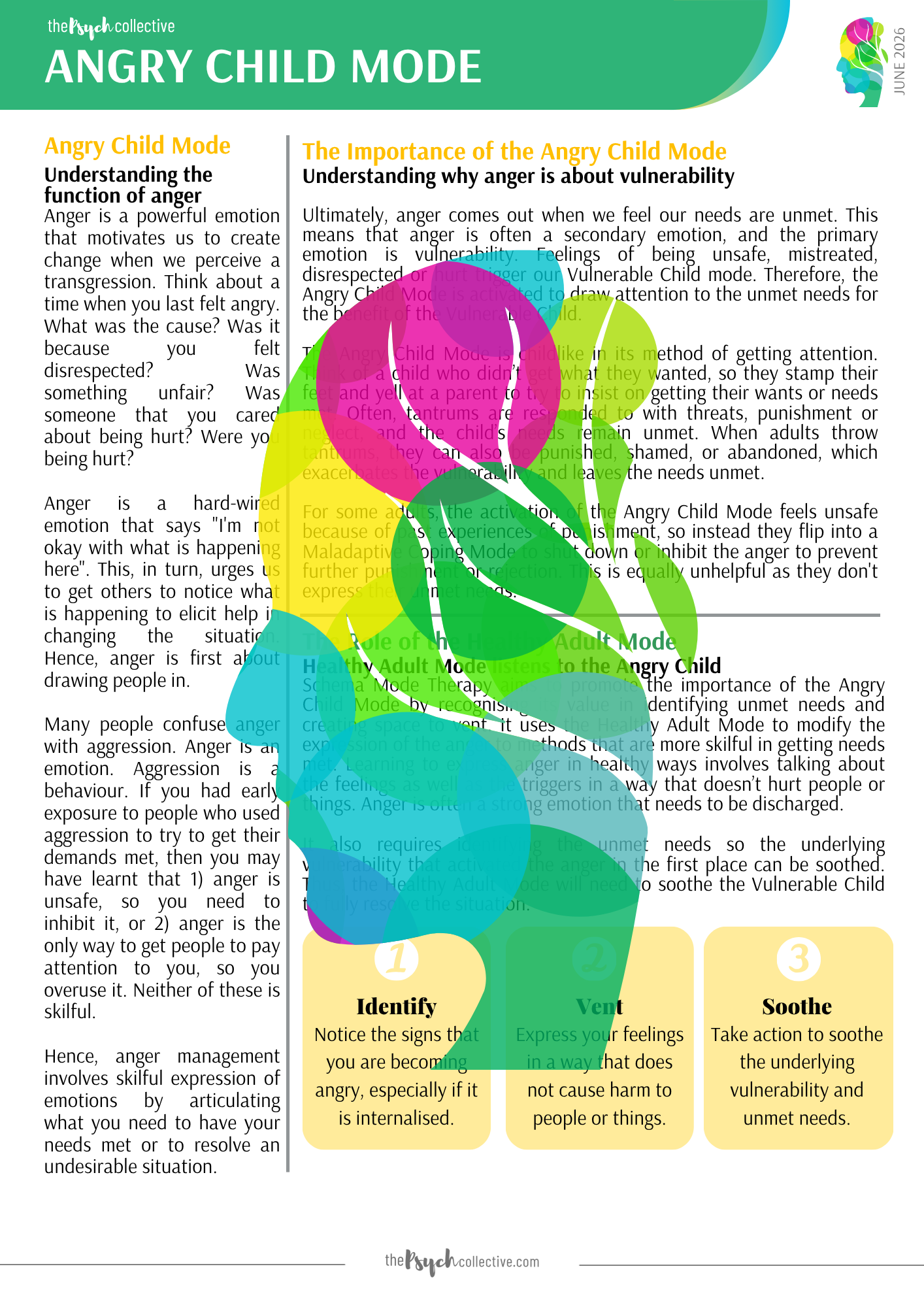
Want to understand your Angry Child?
If you're starting to recognise your Angry Child, our Complete Set of Schema Mode Therapy Worksheets helps you build awareness of your modes and plan management strategies. Our Schema Mode Therapy Cards can also help you identify modes as they happen, and offer you practical exercises for responding to each mode and strengthening your Healthy Adult.
Explore our Schema Therapy resources →
Using Schema Modes with clients?
Identifying anger is easy. Working out whether you're seeing Angry Child, Angry Protector, Bully and Attack—or another mode entirely—requires understanding the function underneath the behaviour. Our Schema Mode Therapy Clinician Guide provides practical tools for formulation and intervention, while my Schema Therapy and Schema Mode Therapy training focuses on helping clinicians recognise modes and know what to actually do with them in the therapy room.
About Our Resources