Bully Attack Mode
Bully and Attack Mode: When Attacking Others Protects Vulnerability
Written by Jess O'Garr, Clinical Psychologist and Schema Therapy trainer at The Psych Collective.
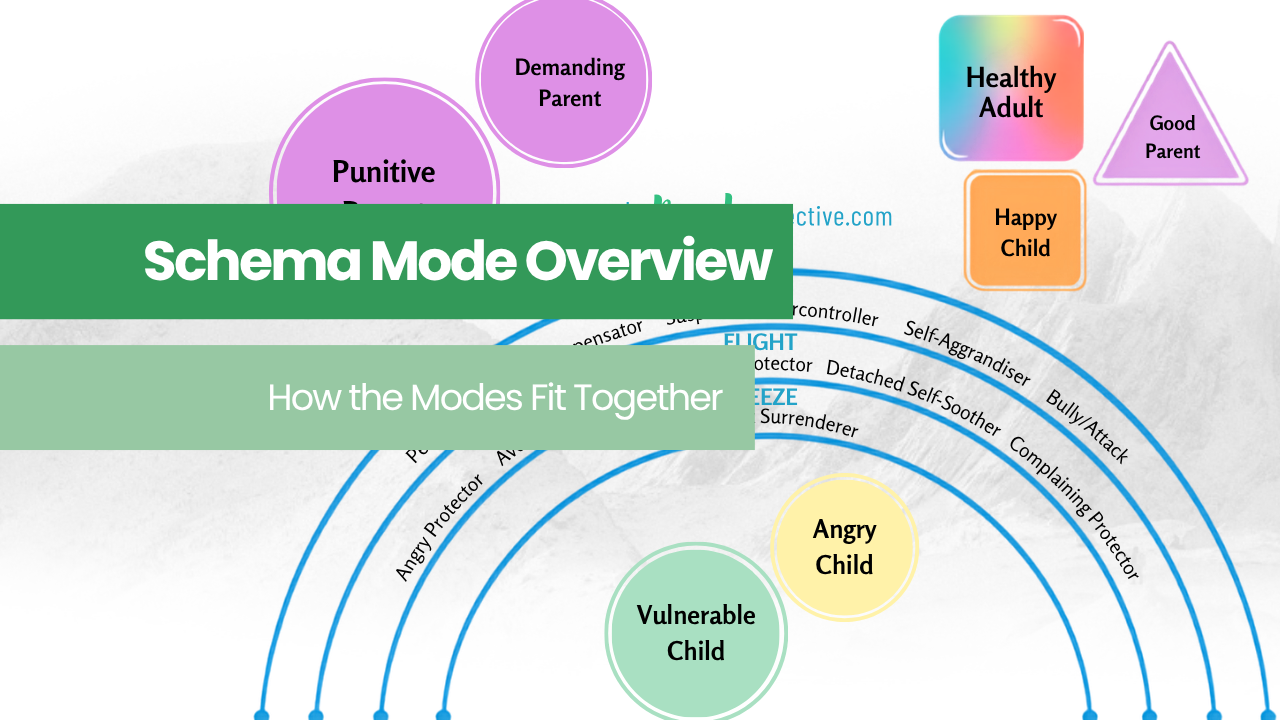
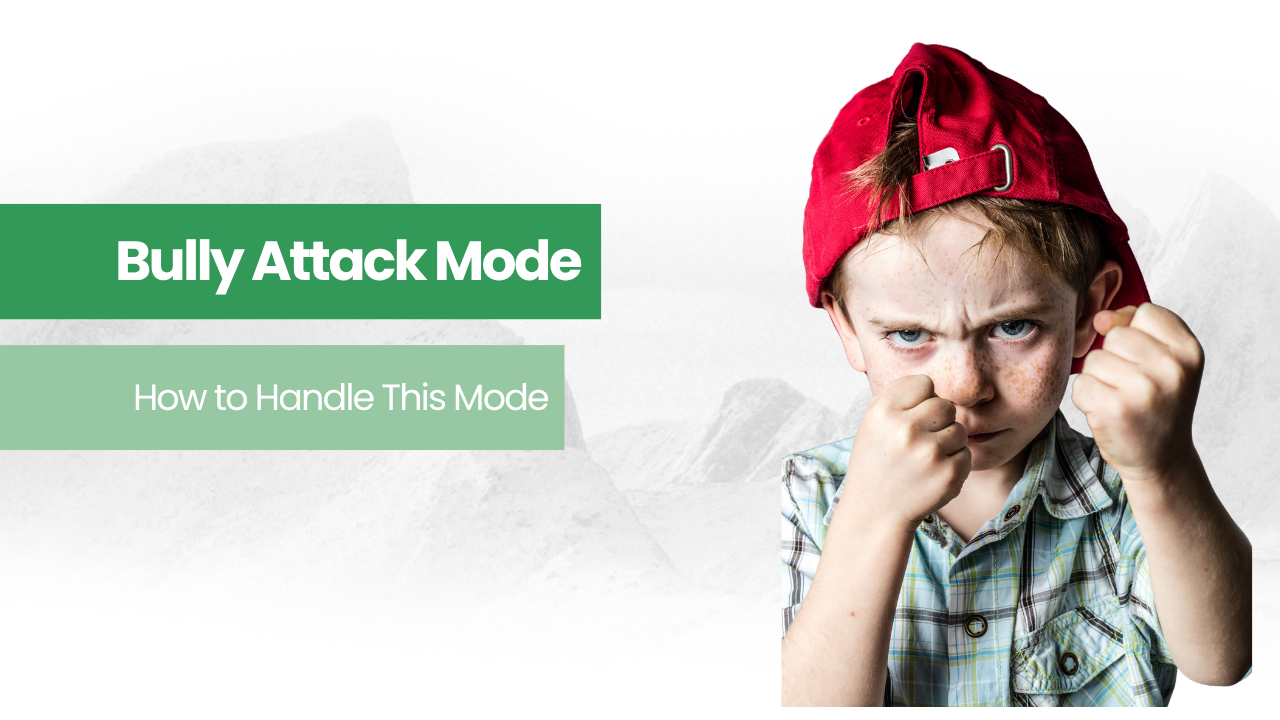
Bully and Attack Mode is a Fight Coping Mode in Schema Therapy that protects against vulnerability by intimidating, humiliating or attacking other people. The basic strategy is: If I can make myself the biggest, scariest person in the room, nobody will attack me, challenge me or discover the vulnerability underneath.
Think about being the biggest bully in the playground. If everybody is frightened of them, theoretically they become untouchable. Bully/Attack Mode uses power, intimidation and aggression to create exactly that position. The person may look incredibly powerful on the outside, but the mode often functions to protect against feeling anything but powerful on the inside.
Watch the Video
Hear Jess explain the Bully/Attack Mode
What is underneath Bully and Attack Mode?
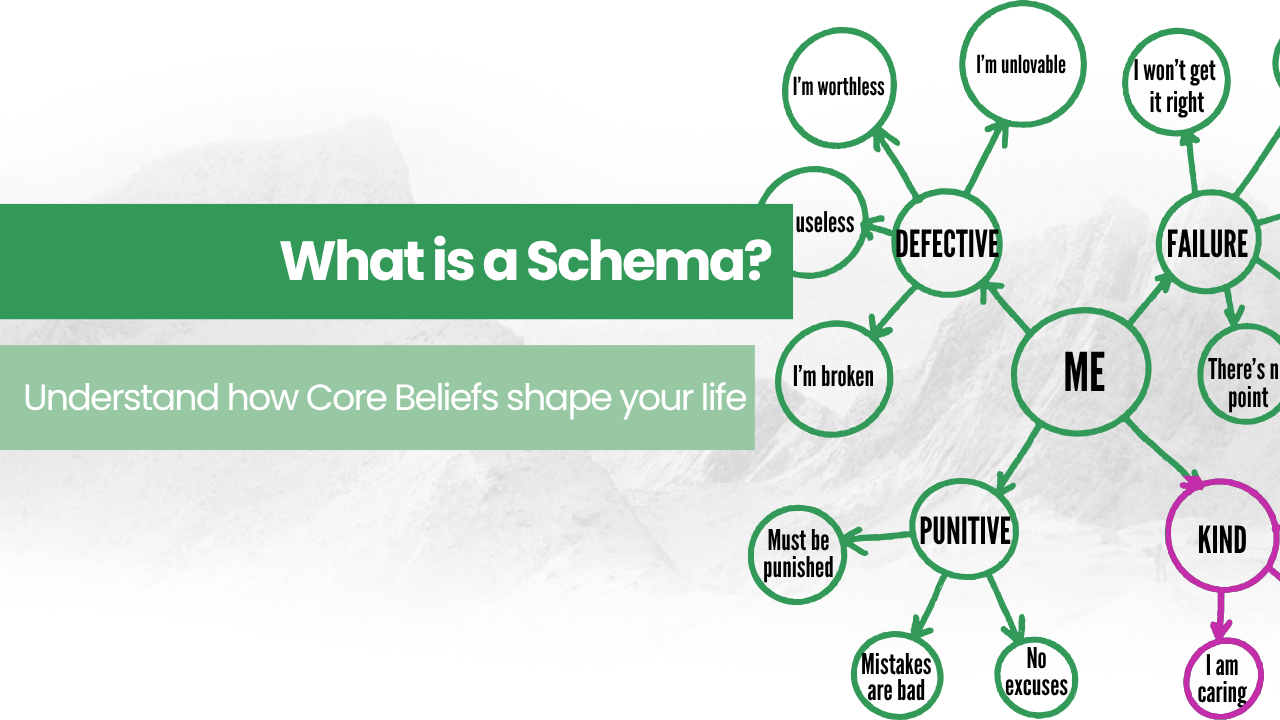
Maladaptive Schemas associated with Bully/Attack can include Entitlement, Mistrust/Abuse and Punitiveness. There may be an expectation that other people can't be trusted, alongside a belief that people who do the wrong thing deserve to be punished. But if we only look at those schemas, we miss the vulnerability underneath the mode.
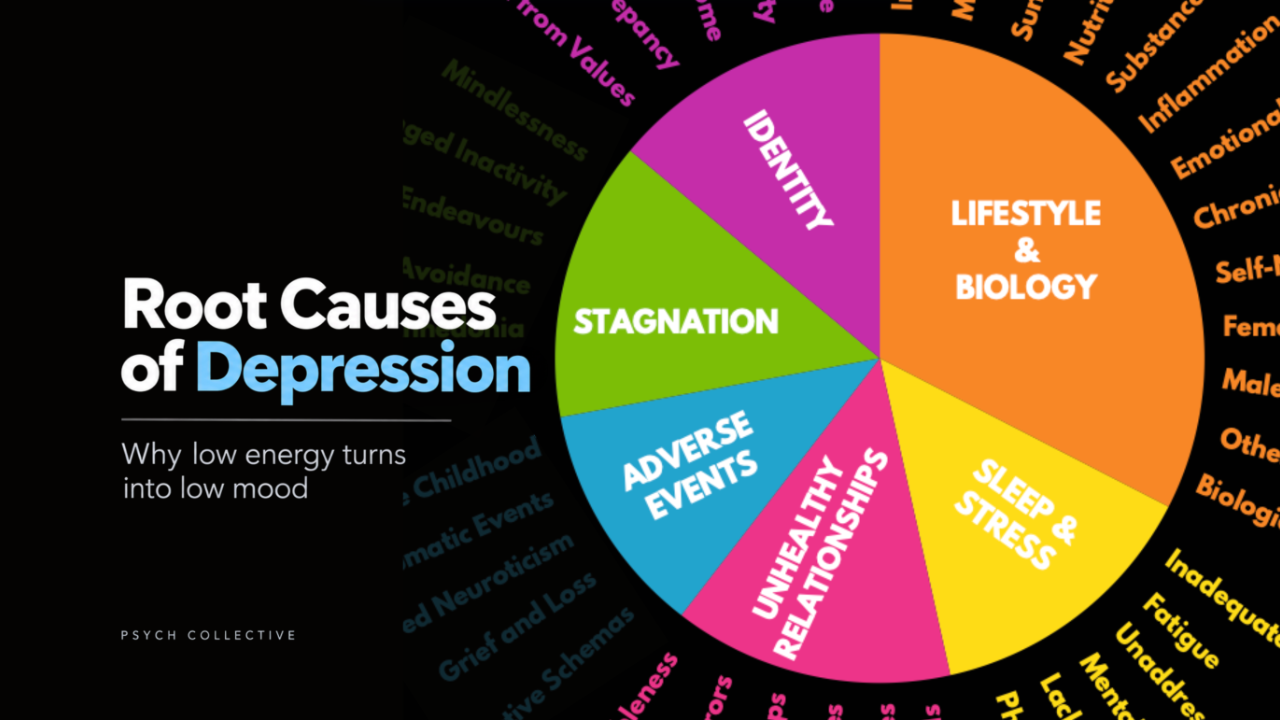
Happy, secure, well-adjusted people generally don't need to tear other people down to feel okay about themselves. Whether we're looking at bullying in children or adults, insecurity often lies beneath the behaviour. In Schema Therapy, we may therefore also find schemas such as Defectiveness, Failure or Abandonment underneath Bully/Attack Mode.
The underlying belief of the Vulnerable Child Mode might be: "I'm not okay. I'm not good enough. I'm weak. You're going to reject me. You're going to hurt me." The overcompensatory Fight response is essentially: "I'm going to make absolutely sure you never see that."
What triggers Bully and Attack Mode?
A common trigger is the perception that somebody is attacking, threatening or getting too close to a weakness. Sometimes there may be a genuine conflict. Other times, criticism, disagreement, rejection, or someone setting a boundary can feel like an attack.
The response is to shift the vulnerability onto somebody else. The person may yell, intimidate, threaten, humiliate, spread rumours, attack someone's character or deliberately identify and exploit their weaknesses. Online, we can see similar behaviour in trolling and the keyboard warrior who needs to tell someone on screen how stupid, ugly, incompetent or terrible they are.
The aim is to make the other person feel smaller. If everybody else is pushed down, the person in Bully/Attack Mode can stay above them. For a moment, they don't have to feel weak, defective, frightened or vulnerable themselves.
What does Bully and Attack Mode look like?
Bully/Attack can include yelling, verbal abuse, intimidation, threats, harassment, humiliation, character attacks and deliberate attempts to frighten or dominate another person. It can occur in children, workplaces, friendships, online interactions and intimate relationships. At the more severe end, these patterns can also occur within abusive and domestic violence relationships.
The common theme is using fear and power to control the interpersonal situation. If people are afraid to challenge you, report you, disagree with you, or leave you, then you remain in the dominant position.
That can create the illusion of safety. But it comes at someone else's expense, which is why this mode requires particularly firm boundaries. Understanding the vulnerability underneath someone's behaviour can help explain the behaviour; it doesn't make harmful behaviour acceptable.
Bully/Attack, Angry Protector or Self-Aggrandiser?
Several Schema Modes can look powerful, angry or intimidating from the outside, so it is important to look at the function of the behaviour rather than simply what it looks like.
The Angry Protector uses anger to push people away: Don't come near me. Leave me alone. Back off. The function is to create distance so that the Vulnerable Child remains protected.
Bully/Attack pushes people down. "If I make somebody else smaller, weaker or frightened, then I remain powerful."
The Self-Aggrandiser is different again. That mode builds itself up through status, importance, superiority or entitlement. Bully/Attack doesn't necessarily need to climb above everybody else; it can simply knock everybody else down until it is the last one standing.
These distinctions matter because shouting or anger alone doesn't tell us which Schema Mode we're seeing. We need to understand what the behaviour is trying to achieve.
Why is Bully and Attack Mode so damaging?
All Maladaptive Coping Modes can create problems, but Bully/Attack has a particularly obvious capacity to cause harm to other people. Someone might use the mode to protect themselves from vulnerability, but the people around them still experience the consequences of their behaviour.
That can include damaged relationships, fear, loss of trust and people withdrawing completely. If the behaviour involves abuse, intimidation or violence, the consequences can obviously be much more serious.
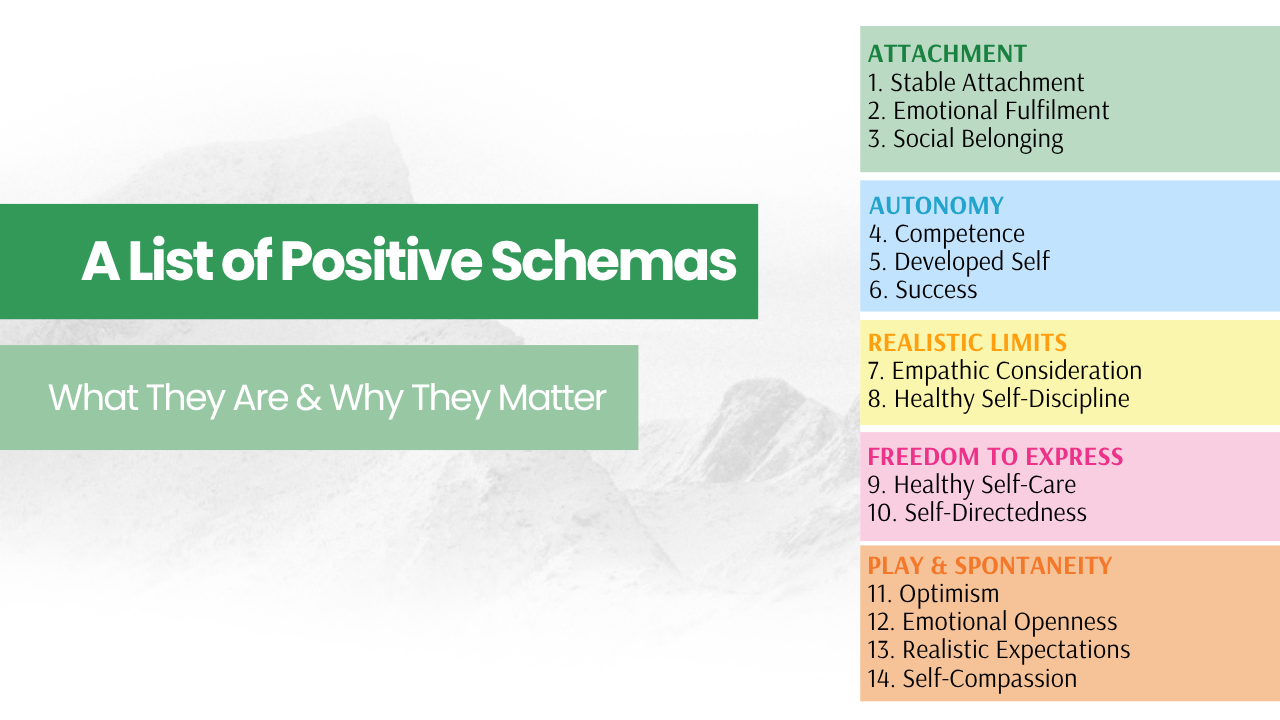
For that reason, the core emotional need here is realistic limits. The Healthy Adult needs to be very clear: You don't get to treat people like that. Vulnerability may explain why the mode developed, but it doesn't remove responsibility for what happens when the mode is activated.
There is also a need for safe attachment. If the person is going to stop using intimidation to protect themselves, they need opportunities to experience relationships where vulnerability can be expressed without being attacked, humiliated or exploited.
How does the Healthy Adult manage Bully and Attack Mode?
With some coping modes, the Healthy Adult can afford to be gentle and curious. With Bully and Attack, it also needs to be assertive. I tend to imagine the Healthy Adult stepping into the internal conversation and saying something along the lines of: "Dude, shut up. You don't get to talk to people like that. Shut your mouth and try some compassion."
The Healthy Adult then needs to help the person recognise what happened immediately before the attack. Did you feel criticised? Rejected? Embarrassed? Threatened? Were you frightened someone was going to leave? Did somebody expose something that made you feel weak or defective? Understanding the vulnerability gives you something useful to work with, but the first job is still stopping the harmful behaviour.
The next step is taking responsibility for the consequences. If you've frightened, humiliated or hurt someone, there may be repair work to do. An apology is useful only when it is accompanied by meaningful behavioural change. Saying "I'm sorry, I didn't mean it, it'll never happen again" and then repeating the same behaviour isn't repair.
The Healthy Adult needs to genuinely commit to doing something differently next time. That includes recognising early warning signs and having an alternative way of getting out of the situation before the mode takes over.
Learn to exit before you attack
One useful strategy is what we call a graceful exit. If a conversation is escalating and you can feel yourself moving towards intimidation, abuse or attack, leave the interaction before you cause more damage.
Importantly, leaving the conversation doesn't have to mean abandoning the relationship. You might say: "I'm getting too worked up to have this conversation properly. I'm going to take some time out, and I'll come back in two hours so we can try again."
That allows you to protect yourself from escalation while also protecting the other person from your behaviour. Once you've settled, the Healthy Adult can return to the issue, identify what vulnerability was activated and communicate it without needing to attack.
How should other people respond to Bully and Attack Mode?
If somebody is directing Bully and Attack behaviour toward you, you can set boundaries around what you will and won't tolerate. Understanding somebody's schemas doesn't mean you have to accept abuse, intimidation or threats.
If you want to continue the relationship, you can retreat from the behaviour without necessarily retreating from the relationship: I'm not willing to stay in this conversation while you're speaking to me like this. I'm leaving now, and I'll come back later so we can try again.
That distinction can matter when Abandonment is part of the vulnerability underneath the mode. But it does not mean you are responsible for managing another person's aggression or remaining in an unsafe situation.
If somebody's behaviour creates an ongoing risk of violence, danger or harm, your safety takes priority. You have the right to leave the relationship and seek appropriate support.
Frequently asked questions about Bully and Attack Mode
What is Bully and Attack Mode?
Bully and Attack is a Fight Coping Mode in Schema Therapy that uses intimidation, humiliation, aggression or dominance to protect against underlying vulnerability.
What schemas are associated with Bully and Attack?
Schemas can include Entitlement, Mistrust/Abuse and Punitiveness, with underlying vulnerability often involving Defectiveness, Failure or Abandonment.
What is the difference between Angry Protector and Bully and Attack?
Angry Protector primarily uses anger to push people away and create distance. Bully and Attack pushes people down, using intimidation or attack to keep the person in a dominant and seemingly untouchable position.
How do you change Bully and Attack Mode?
The Healthy Adult needs to set firm limits on harmful behaviour, identify the vulnerability triggering the attack, develop safer ways to exit escalating situations, take responsibility for consequences, and complete genuine repair work where harm has occurred.
Want to understand your Schema Modes?
Our Schema Mode Therapy Cards and Complete Set of Schema Mode Therapy Worksheets can help you understand the schemas, needs and coping modes driving your behaviour and develop a stronger Healthy Adult response.
Explore our Schema Therapy resources →
Are you a Mental Health Clinician?
Bully/Attack require us to understand the vulnerability underneath the mode without losing sight of boundaries, responsibility and harm to others. Our Schema Mode Therapy Clinician Guide provides practical tools for formulation and intervention, while my Schema Therapy and Schema Mode Therapy training focuses on recognising and working with modes in clinical practice.
Explore upcoming Schema Therapy training →
About Our Resources