Understanding PTSD
PTSD: How, What and Why? (Part 1)
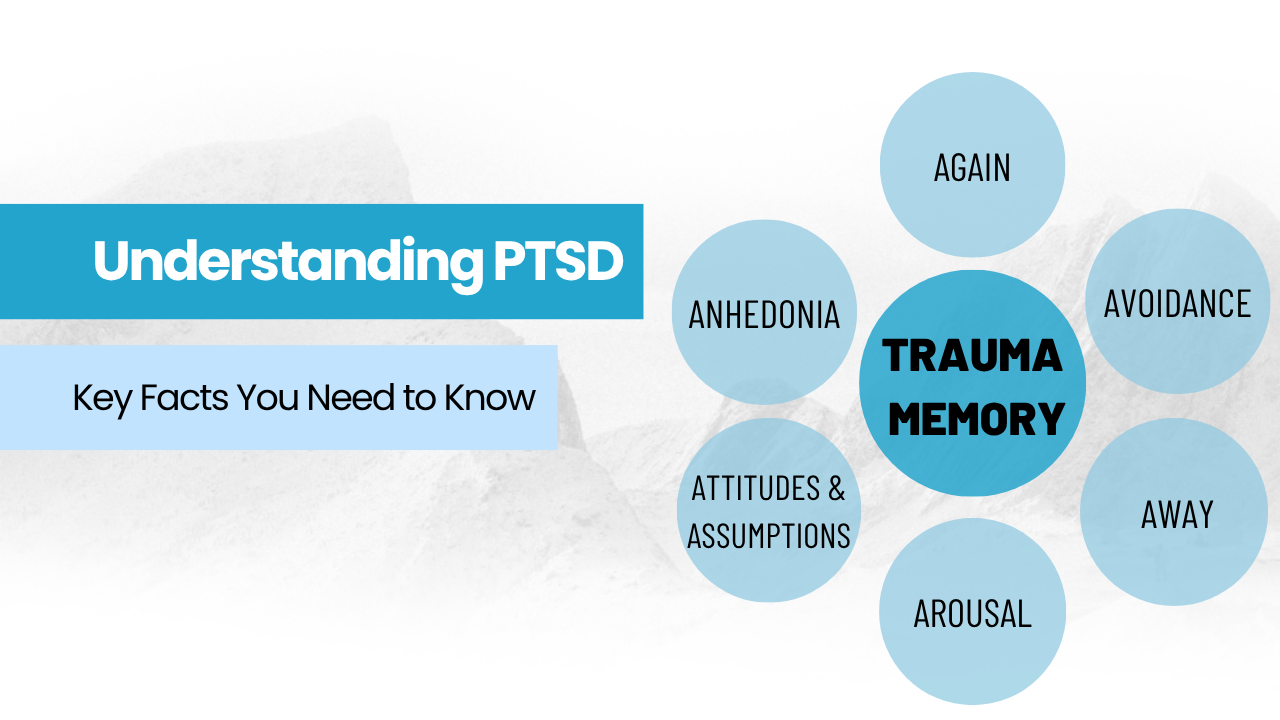
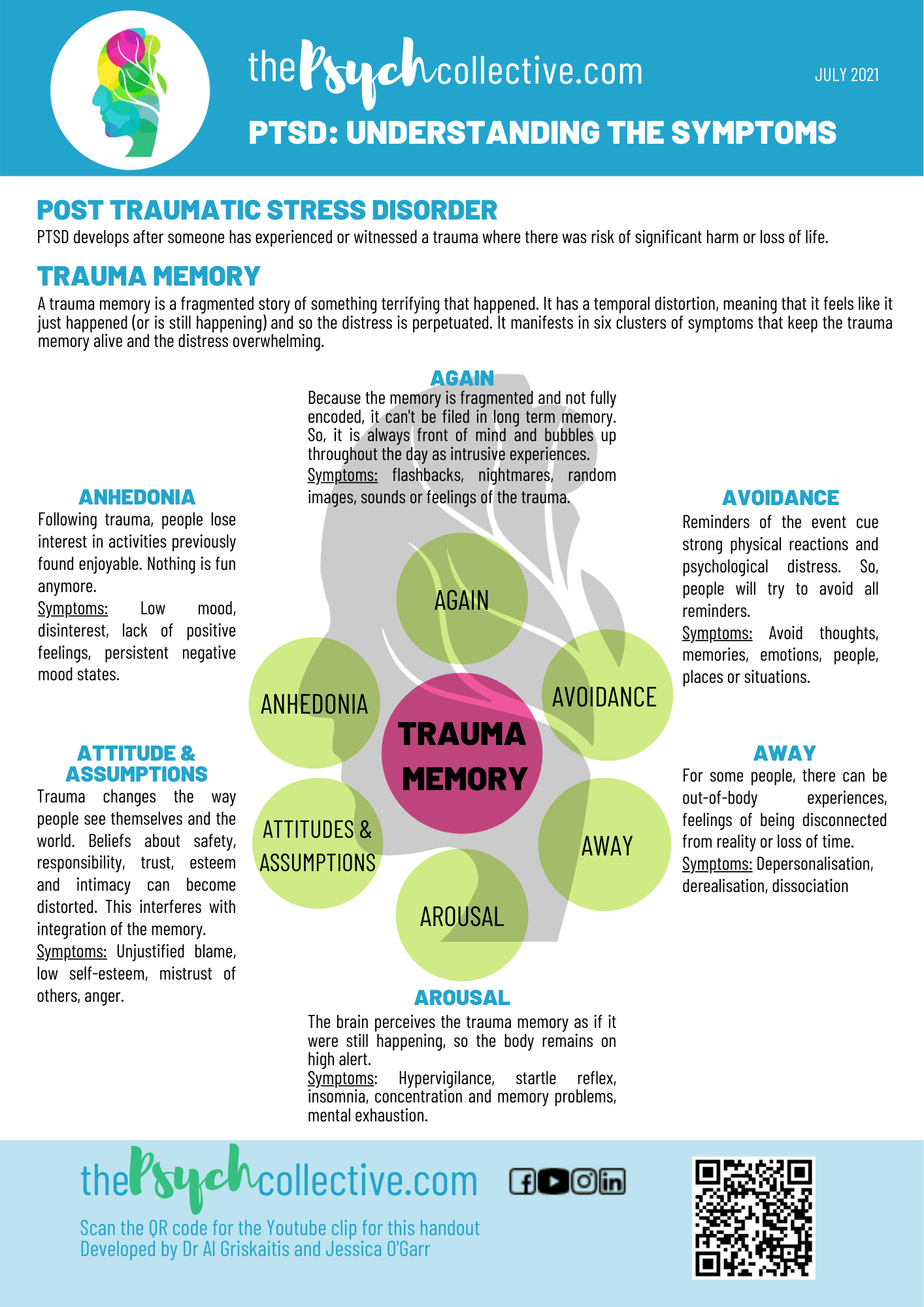
PTSD is a beast of an illness. It can invade all parts of your life and turn your world upside down. In this video, we explore the factors that contributed to the development of PTSD, explore the factors that maintain PTSD and reorganise the symptom clusters of PTSD.
Why do some people get PTSD?
A trauma event is often something deeply threatening that overwhelms your psychological resources.
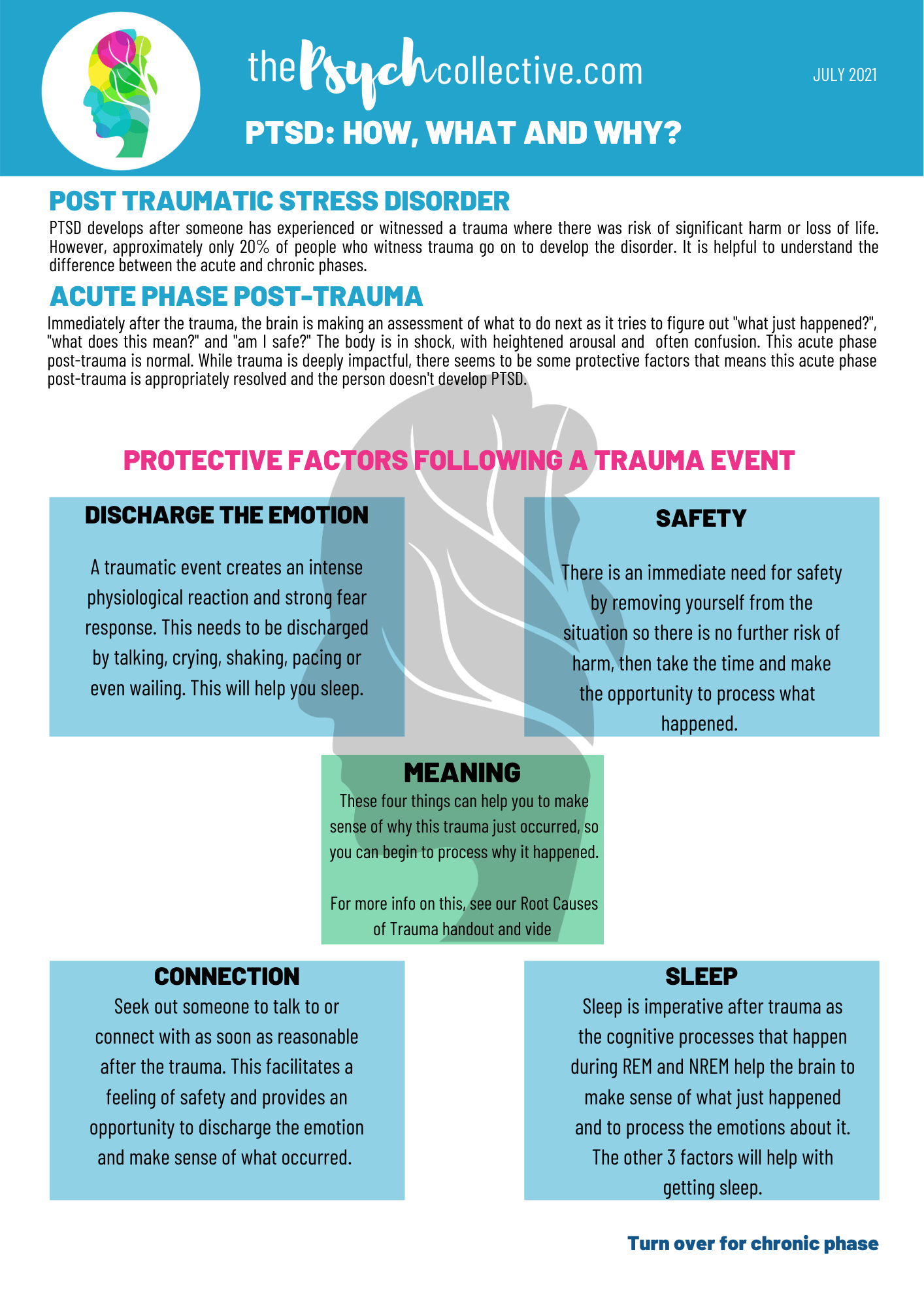
When that happens (most of the time) we eventually process what happened. If we can’t then PTSD is much more likely. Sooner or later.
Processing entails:
- achieving safety ASAP
- releasing/expressing the emotions relevant to the trauma
- connecting with someone
- Being able to recall the entire sequence of events
- Making sense of the entire sequence of events
- Getting adequate sleep.
- Deriving the meaning of what happened
- Learning what lessons there are to be learned from the trauma to reduce the chance of it repeating.
Mostly if people can do this, they don’t get PTSD.
If they can’t do this they’re more likely to get PTSD. The more often they experience trauma which they can’t process, the more likely PTSD becomes. We can accumulate traumas by jamming them into the cracks of our minds. An emergency services worker may incur many trauma events without processing the trauma and not manifesting PTSD until one day they do. When that happens they lose much of their resilience. Then many past unprocessed traumas come out from those hidden cracks and overwhelm the person.
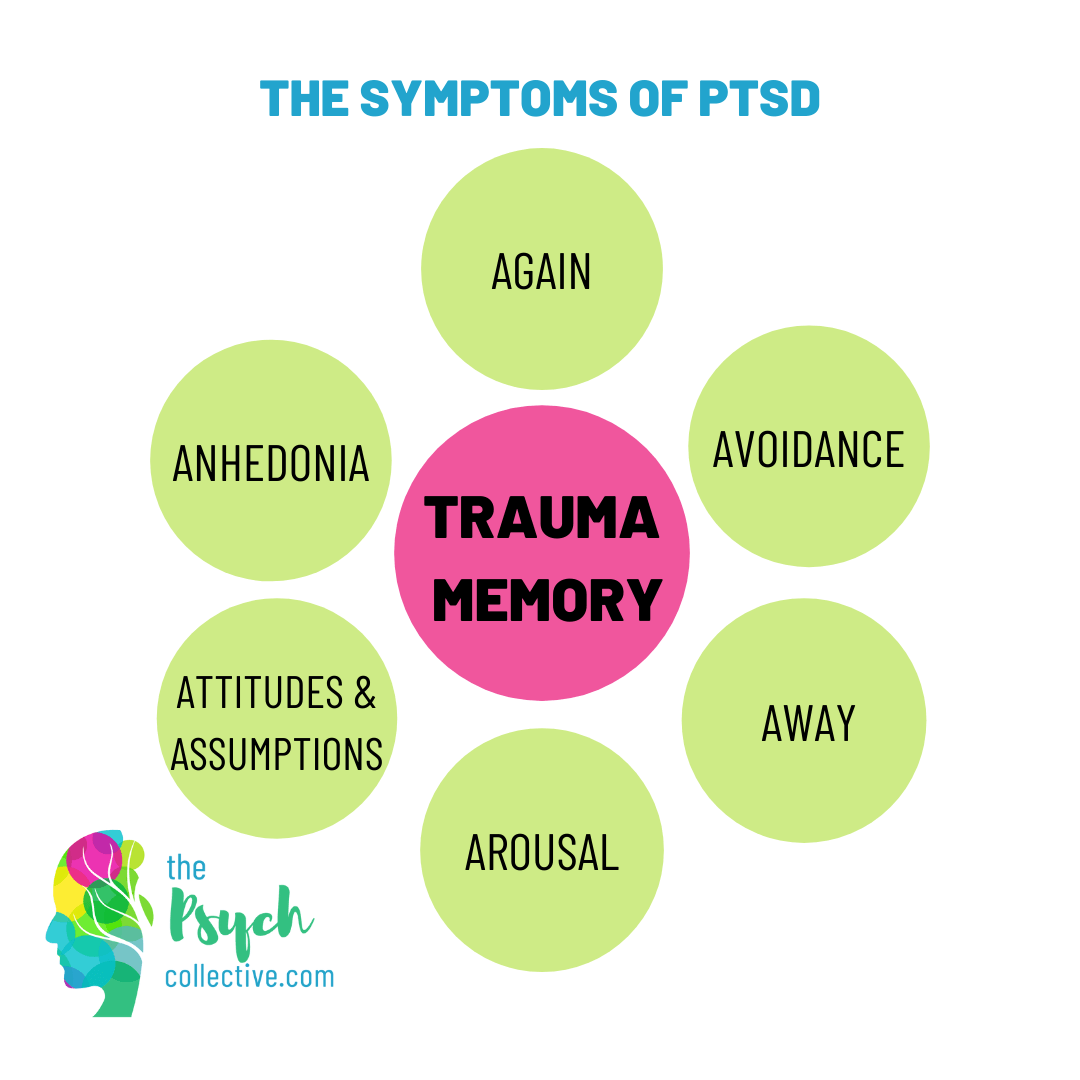
Technically, PTSD entails a fragmentation of the sequence of events leading to the formation of a dysfunctional “Trauma Memory”. “Trauma Memories” are often recalled out of sequence and with gaps. The fragments evoke powerful emotions and one feels as though the trauma just happened. So people feel very unsafe and hypervigilant.
The treatment of PTSD entails working through the steps which they did not achieve (as above). Most commonly this entails working with a therapist to unpack the whole sequence of events so as to make sense of everything. Then find the meanings and then extract the lessons.
Extracting the lessons seems critical as if we feel that we can learn a lesson from the trauma we may be less likely to be traumatised in that way again. With that comes less hypervigilance and fear.
About Our Resources