Mindfulness of the Dot
The Truth about Mindfulness
Less hippy dippy crap - more practical tips
Most patients I meet don't like mindfulness and it is usually because they believe like they can't do it. Most of the time, it is because they weren't correctly instructed and think they're hopeless at it.
In the first video, Dr Al explains the real purpose of mindfulness and it's not about breathing.
And then Jess explains about practising mindfulness at different levels with her hierarchy of mindfulness.
A Fresh Approach to Mindfulness: Embracing the Power of Automatic Thinking
In this blog post, we will explore a unique perspective on mindfulness that aims to address the common challenges and misconceptions associated with traditional mindfulness practices. Many individuals find it difficult to engage with mindfulness techniques due to a lack of interest or the belief that it only involves focusing on the breath. However, we will present an alternative approach that emphasises the importance of automatic thinking and its impact on our emotional well-being. By understanding and redirecting our automatic thoughts, we can cultivate a more palatable version of mindfulness that fosters personal growth and emotional regulation.
Unveiling the Misunderstandings:
Mindfulness has become a buzzword often thrown around without a clear understanding of its true essence. When introducing mindfulness to others, it is not uncommon to encounter eye-rolls and skepticism. This response is rooted in the widespread misconceptions surrounding mindfulness. To overcome these barriers, it is crucial to demystify mindfulness and present a more comprehensive perspective that extends beyond mere breath-focused exercises.
The Power of Automatic Thinking
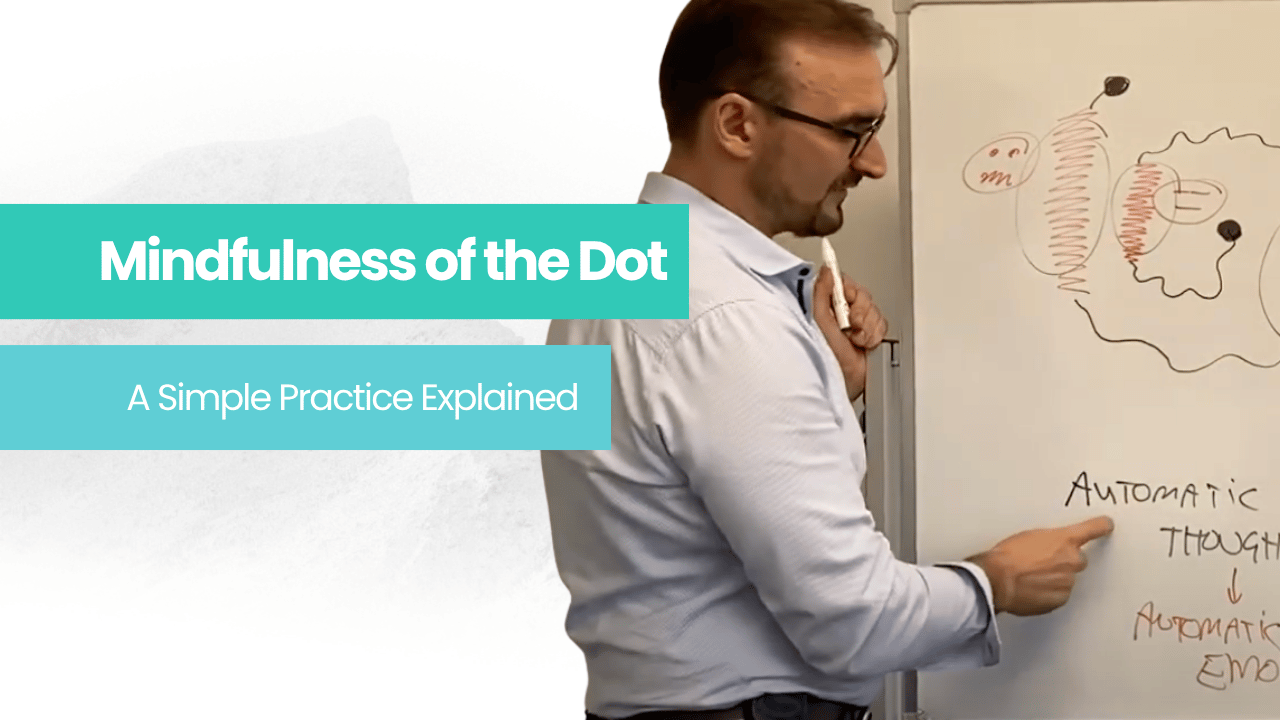
To illustrate the significance of automatic thinking, let's consider an example. Imagine being asked to focus on a dot while being left alone in a room. Initially, you may direct your attention to the dot, but soon your mind starts to wander involuntarily. It may drift to neutral thoughts or concerns, such as work or daily chores. However, it can also delve into negative thought patterns, causing distress and anxiety. These automatic thoughts arise without conscious choice and result in corresponding emotions, amplifying arousal and anxiety.
The Flawed Exercise of Focusing on the Dot
The traditional instruction of focusing on the dot fails to provide a helpful framework for mindful awareness. Many individuals struggle to sustain their focus on the breath or any other point of attention. As a result, they may feel discouraged and believe that mindfulness is not suitable for them. This inadequate instruction does not effectively address the underlying issue of automatic thinking and its impact on emotional states.
The Correct Instruction: Noticing Automatic Thoughts
The true essence of mindfulness lies in developing a habit of mind through focused attention. Instead of solely fixating on the dot or the breath, the key instruction is to notice when the mind deviates from the point of focus. When your mind wanders, you are encouraged to acknowledge this diversion and give yourself credit for recognising it. This practice cultivates mindfulness by increasing awareness of when you are not being mindful.
Embracing Non-Judgmental Awareness
Once you become aware of your wandering thoughts, it is crucial to approach them with non-judgmental awareness. Avoid criticizing yourself for losing focus or indulging in negative thinking. Instead, congratulate yourself for catching the moment of distraction. This positive reinforcement strengthens your ability to notice when your mind wanders and paves the way for constructive choices.
Repetition and Improvement
Mindfulness is a practice that improves with repetition. With each session, you engage in multiple cycles of focusing, wandering thoughts, and noticing. Each time you bring your attention back to the point of focus, you earn a metaphorical "tick" or a moment of success. Over time, the frequency and duration of wandering thoughts decrease as you become more adept at catching them early on.
The Transformative Potential of Mindfulness
By consistently applying this mindful awareness practice for a few minutes each day over a span of three months, you can witness remarkable changes in your capacity to redirect your thoughts. As you become proficient at catching automatic thinking, you gain more control over your emotional responses. Instead of spending prolonged periods immersed in negative thinking, you can intervene at an early stage and choose to shift your focus or engage in problem-solving.
About Our Resources