Addiction
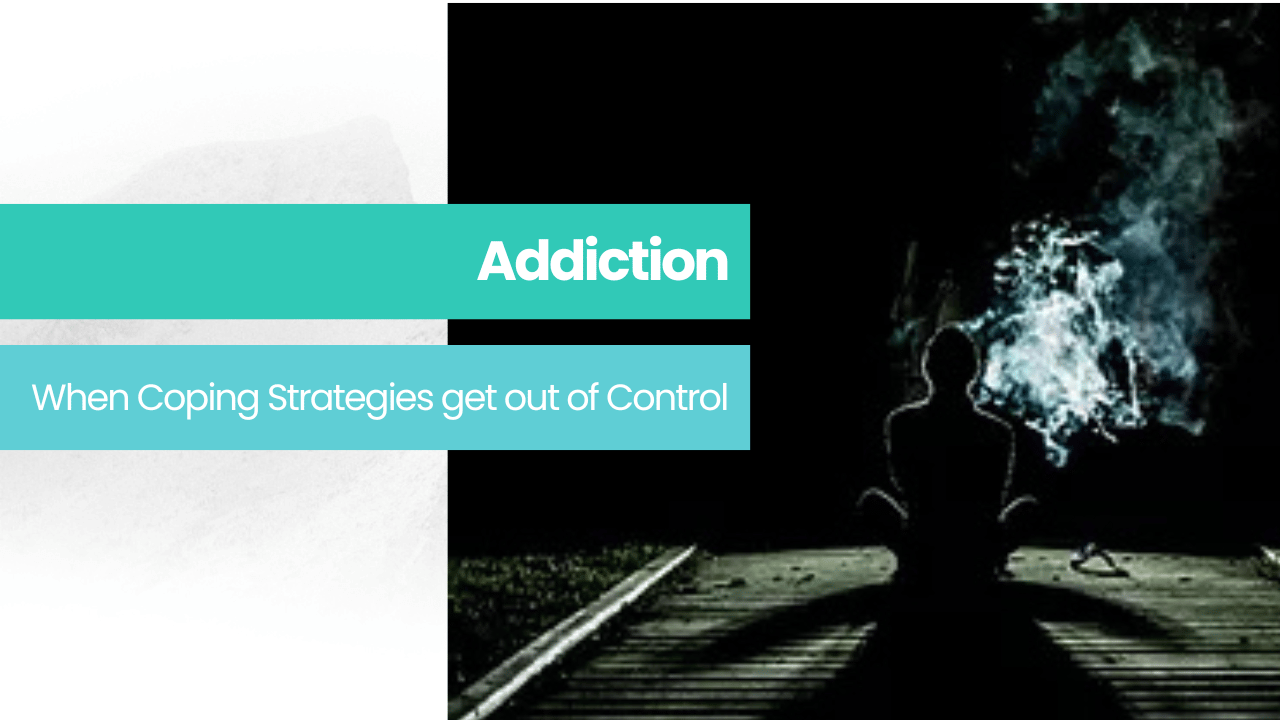
So often, it is a coping strategy that got out of hand
Addictions come in all shapes and sizes. Drugs, alcohol and gambling probably receive the most attention, particularly in the field of mental health, but emerging addictions, such as phone addictions, sugar addictions or social media addictions are creating a lot of distress for both the users and their families.
Addiction starts off as numbing the inner pain
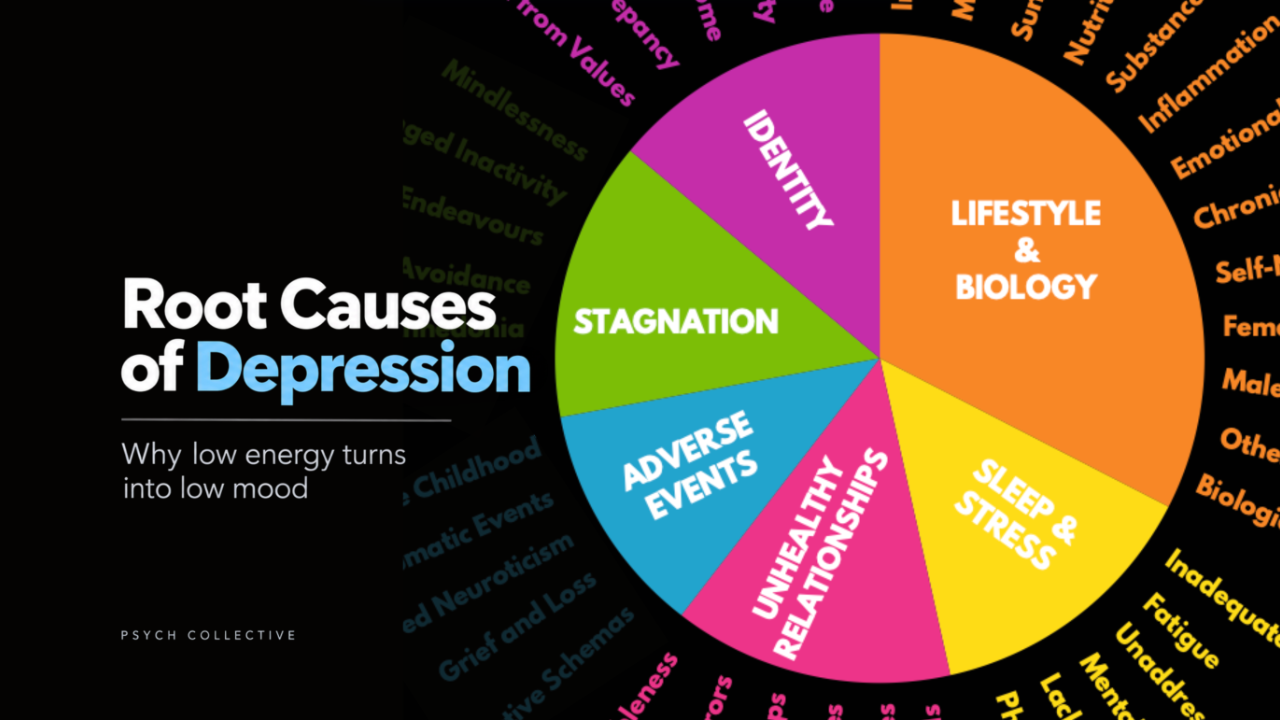
Addiction is a means of alleviating inner tension, either by numbing or distracting. The inner tension may be a result of trauma, current problems or a life of chaos.
Addiction perpetuates the inner tensions and typically adds to the problem load. The addictive substance/behaviour alleviates the inner tension and activates the reward pathway. Furthermore, the addiction can also cause physiological or neurological changes which are hard work to overcome.
How naltrexone might help with alcohol addiction
Naltrexone blocks the mu opioid receptor. By blocking that receptor, people don't get reward pathway activation from alcohol. As a result, people don't enjoy alcohol as much when they take naltrexone. That might lessen alcohol intake in some people.
Addiction is usually the result of people's difficult past. Whether the difficulties were trauma or some other mismatch of needs/environment; some people end up with the predicament of needing to numb their pain with alcohol. Naltrexone doesn't affect the alcohol's capacity to numb. So if someone is out to numb themselves naltrexone is not likely to be the solution. But if someone drinks more than they intend to because of the subtle effect of reward activation then naltrexone might be very helpful.
Johann Hari
Johann Hari talks about his exploration into the depths of addiction as he tried to understand this issue, particularly as he had a few family members suffering from it.
He suggests that addiction is not about the drug, but about your cage, and proposes that the opposite to addiction is not sobriety, but connection.
Lessons from a Mental Hospital
A raw and honest account of what it takes to recover from an addiction and an eating disorder. Peeling off the layers to uncover the reality of feelings helped Glennis to discover that life is not only brutal, it is beautiful, or rather 'brutiful'.
Drug Information
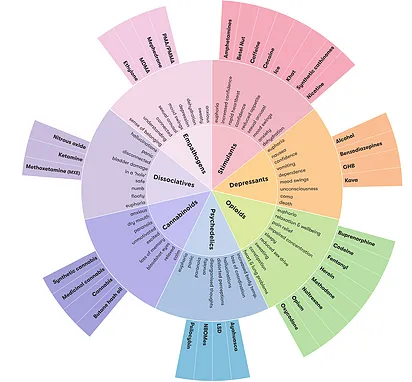
The Alcohol and Drug Federation has a very comprehensive list of drugs and associated information.
Click on the button below to check out their Drug Wheel.
About Our Resources