What is the one skill that will completely change your life?
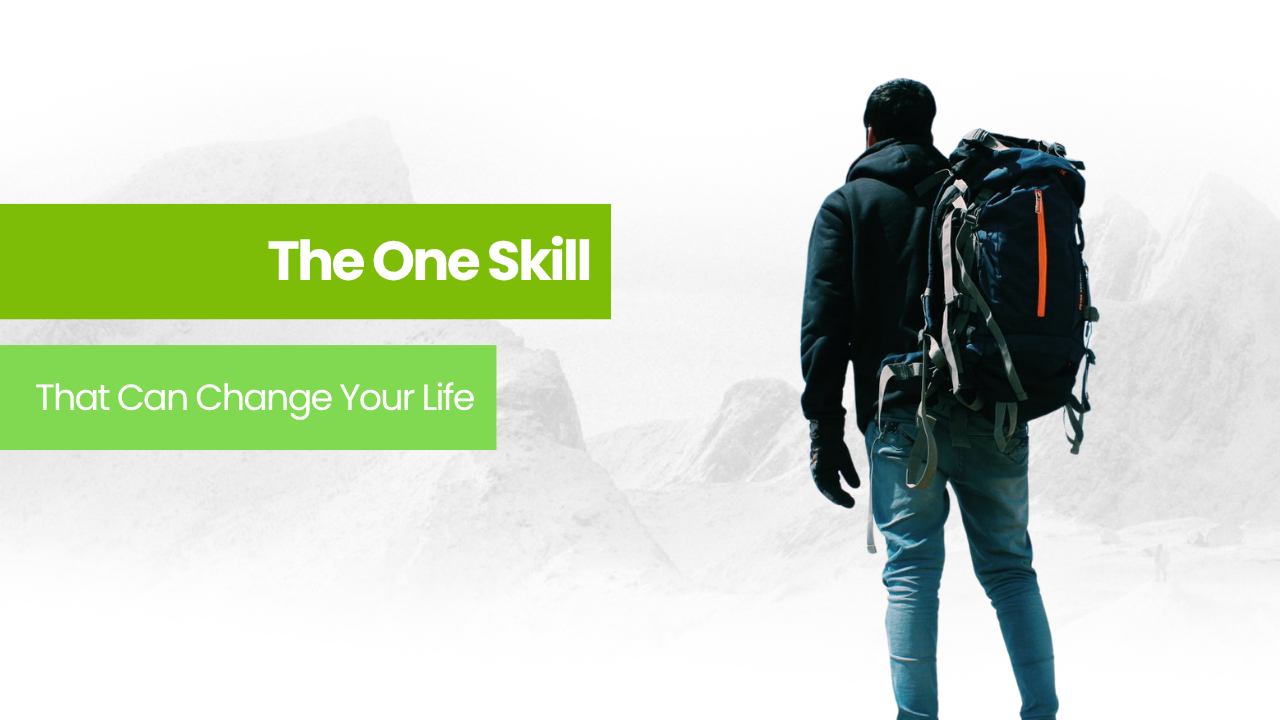
The secret skill that underpins recovery. Every time.
Discipline.
Start being disciplined in whatever way you can. Self-discipline is the path to mental strength.
Start where you can: with a commitment. E.g., walk every morning, OR cut out sugar, OR cut out coffee, OR do daily meditation, OR just start wherever you think you can.
Make the initial commitment doable, but not so easy that it requires no discipline. Ideally, it should be a daily thing. Don’t cheat or make any excuse clauses.
Be deliberate about staying disciplined with your initial commitment and keep going.
Don’t moan about it, don’t make an excuse not to do it. Just keep doing it. That’s the discipline.
As you maintain this starting commitment, it will become easier. Then become disciplined about other things, too. Then, eventually, you can apply self-discipline to whatever you choose.
That’s maturity and mental toughness…
… or just make an excuse to not cultivate discipline.
How to become disciplined
One needs some rules to cultivate discipline:
- Set routines and stick to them: e.g., “I get up at 5:30 am on weekdays and go to a gym class”.
- Stick to the routine, especially when you don't feel like it. Then it becomes part of who you are- that’s your identity.
- Be explicit about your identity: “I’m someone who gets going early in the morning” vs “I’m someone who lazes around and sleeps in”. A good interim identity is “I’m someone on a journey of becoming more disciplined about [whatever you’re trying to achieve]”.
- Don’t bail out of a planned routine task. When you bail out, it becomes increasingly okay to bail out. Bailing out gets easier until it’s the default. If that happens, forgive yourself AND urgently reset.
- Don’t wait for motivation. Motivation comes and goes, but discipline will help you get things done even when you lack motivation. Make a plan. Set a date to start (like today!) Some people like to make themselves accountable (e.g. to a partner or trainer). Just start. Then continue.
- Embrace discomfort. Comfort is for sleep, recovery and consolidation. Discomfort is where growth lies. Do things that are difficult. Lean into discomfort and recover in comfort. Earn the comfort. Don’t live your entire life in unearned constant comfort.
- Start being disciplined somewhere, then expand your use of discipline beyond that starting place. It’s good to start with exercise, as once your mental/physical strength increases, you’ll have more stamina to apply discipline to other parts of your life.
- One can run low on discipline as one becomes tired. Look for holes in your daily discipline pattern and work around them. E.g., if you drink at night while watching TV because your resolve is eroded after work, then go for a walk and go to bed early instead. That will pay a dividend tomorrow rather than the guilt/hangover.
- Be reasonable with yourself: don’t simultaneously be a tyrant and a slave to yourself. Negotiate with yourself. E.g. “if I go to the gym every day as I said I would, I’ll treat myself to [something positive]”. If you just jam yourself into things you don’t want without a payoff, it’s very hard to sustain.
Think about the people you admire. Are they undisciplined?
The comfortable path calls us to be weak, unhealthy, lazy and undisciplined. The discomfort of discipline helps us to achieve our goals and realise our potential.
The disciplined get things done.
About Our Resources