Exercise for Mental Health
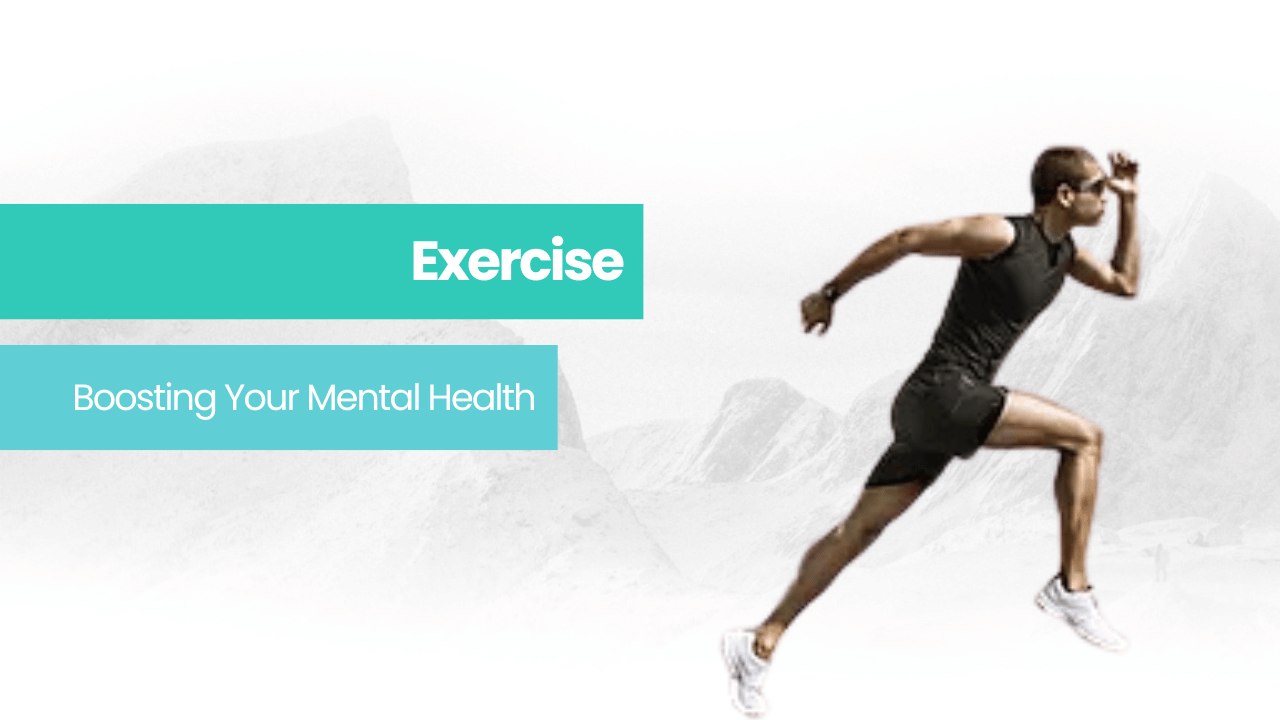
What are exercises that boost your mental health?
The mind and body are deeply connected.
Regarding physical exercises there are four broad types of exercise which can undertake
Intense exercise
When we breathe normally, there is an ideal amount of carbon dioxide in our blood, but when we panic breathe, this balance goes out of whack and we enter respiratory alkalosis. This is caused by a change in the pH of our blood which can cause an experience of mild delirium, making it difficult to think clearly when you are panicking. One of the fastest methods of resolving this is using intense burst exercise. Doing an activity that has you “huffing and puffing” will help correct your blood pH for acute distress relief. A minute or two can make all the difference.
Examples:
- Running up and down flights of stairs
- Using an exercise bike vigorously
- Running sprints
Strength-based exercise
Strength training in the form of weight training or resistance training has been shown to have an effect on mood. It causes the secretion of growth factors in the brain which can help increase resilience for stress and improve mood. Increased strength is associated with more confidence and better mood.
Examples:
- Weights training
- Resistance training
Endurance type exercise
Endurance exercise can decrease sensitivity by building tolerance of discomfort. Any form of exercise that takes a long time puts a strain on the body. The skills that you would implement to learn to tolerate this can then be applied to emotional discomfort. With physical endurance come mental endurance.
Examples:
- A run for 20-30 minutes at a pace which means you can’t hold a conversation easily.
- A fast hill walk
Restorative exercise
Restorative exercise can offer improved reserve and decreased sensitivity by using movement to take care of your body. Exercise that involves stretching, breathing and holding poses can increase flexibility and strengthen the mind/body connection.
Examples:
- Yoga
- Tai Chi
Some forms of exercise will achieve several of these modalities. For example, Yoga combines endurance, strength and flexibility. CrossFit combines endurance, strength and intense exercise.
You may wish to consider where you have a deficit:
- Mental stamina?
- Mental strength?
- Mental flexibility?
- Mental sensitivity?
- Lack of mental discipline?
Now go use your body to do something to address it.
About Our Resources