Working with Occupational Trauma Workshop
Demystify psychiatric medications with practical tools and insights designed to enhance therapy, not replace it.
Working with Occupational Trauma Workshop
Two-day workshop
Understand psychotropic medications from a psychologist’s perspective so you can support clients effectively and safely.
Friday 11th Sept 2026: 9am-5pm
SOLD OUT
Book Now →
What You Will Get
Working with Occupational Trauma Workshop

14 hours of CPD in a face-to-face format
(Not offered online or via Zoom at this time.)


Presented by Dr Al Griskaitis (Psychiatrist) and Jess O’Garr (Clinical Psychologist).
Course Outline
Treating First Responders Requires More Than Standard Trauma Therapy
Working with trauma in frontline populations is different. Police, veterans, paramedics, firefighters, and corrections officers are repeatedly exposed to trauma, violence, moral injury, and chronic threat. Many clinicians discover that standard PTSD treatment models do not always work as expected with this population.
Frontline workers often present with:
- Multiple trauma exposures rather than a single incident
- Anger and irritability rather than fear-based symptoms
- Emotional suppression and delayed symptom onset
- High functioning at work but significant impairment at home
- Sleep disruption and hypervigilance
- Moral injury and guilt
- Alcohol use and relationship breakdown
- Resistance to therapy or difficulty engaging in trauma processing
- Workers compensation, medical retirement, and medico-legal systems
This two-day workshop is designed specifically to help clinicians understand why trauma treatment is often harder with frontline populations, and how to adapt treatment to improve outcomes.
Why Trauma Treatment for Frontline Workers Is Different
Frontline workers are trained to:
- Suppress emotion
- Push through fatigue and stress
- Ignore fear signals
- Maintain control in chaos
- Keep functioning while exposed to trauma
These skills make them good at their jobs, but these same skills often block trauma processing and delay help-seeking, which is why many frontline workers present later with more complex PTSD presentations.
- Clinicians often encounter:
- Clients who “don’t feel anything”
- Clients who only present with anger
- Clients who cannot switch off
- Clients who struggle with loss of identity when they leave the job
This workshop teaches clinicians how to work with these barriers instead of against them.
What This 2-Day Workshop Teaches
Day 1 – Understanding Frontline PTSD and Stabilisation
The Frontline PTSD Model
The Anger and Distress Cycle
Sleep, Fatigue, and Medication
Scheduling, Routine, and Functional Recovery
Day 2 – Trauma Processing and Post-Traumatic Growth
Memory Mapping and Trauma Headlines
EMDR and Trauma Processing with Frontline Clients
Mitigating Trauma Susceptibility
Workers Compensation Procedures
Don’t wait - places fill quickly! Book your spot today for only $800
Book The Workshop
Working with Occupational Trauma Workshop
This workshop in September has sold out.
Fill in the form to register your interest for the next workshop in 2027.
Submit your interest in the workshops below:
Who Should Take This Course:
-
Psychologists
-
Clinical Psychologists
-
Mental Health Social Workers
-
Counsellors
-
Psychotherapists
-
Occupational Therapists
-
Clinicians who work with:
- Diagnosed with depression, anxiety, PTSD and/or emotional dysregulation
- Taking psychotropic medication
Experiencing treatment-resistant symptoms - Presenting with complex mental health issues
This is not just a lecture — you’ll:
By the end of this workshop, clinicians will be able to:
- Understand why PTSD in frontline workers presents differently
- Explain trauma in a way that police and veterans engage with
- Use the distress cycle and SUDS to prevent escalation
- Build stabilisation plans that work for this population
- Map trauma memories and create structured treatment plans
- Use EMDR and imagery rescripting more effectively with complex trauma
- Identify and address trauma susceptibility factors
- Help clients move toward post-traumatic growth
Workshop Details

Location
The Psych Collective Clinic,
3/36-42 Auburn St, Wollongong NSW

Catering
Tea and coffee facilities available. Meals not catered. Our clinic is a 500m walk from the centre of Wollongong, and we’ll show you where the good coffee is!

Access
The training room is on the second storey up a flight of stairs. Unfortunately, disabled access is not available.

Getting here
Wollongong is 60 minutes south of Sydney, and our clinic is 300m from Wollongong Train Station. There is street parking near the clinic.

Accommodation
If you’re travelling from interstate or out of area, we recommend:
- Hotel Toto
- Kula Apartments
- Sage Hotel

Cancellation Policy
Full refund minus $25 processing fee with at least 14 days’ notice. For cancellations under 14 days, booking fees will be forfeited.
Taught by Experienced Clinicians
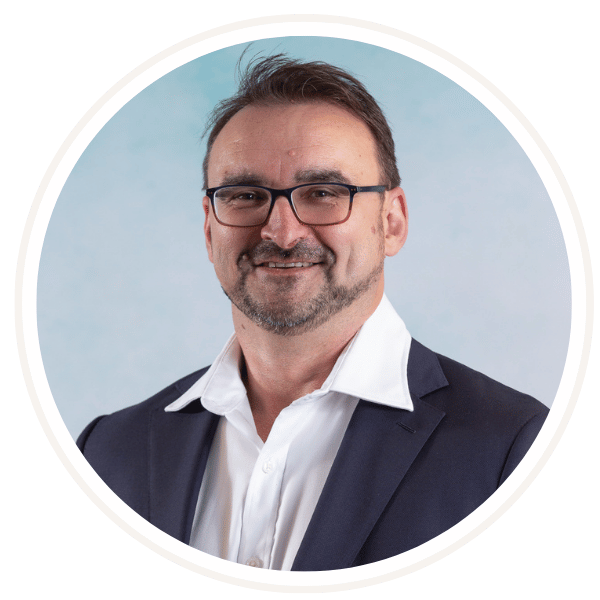

Jessica O’Garr
Clinical Psychologist and Director of The Psych Collective
Jess is an EMDR and Schema Therapist and combines both approaches when working with clients who have occupational trauma. She takes a curriculum-based approach to treating frontline PTSD.
Together, Al and Jess bridge the knowledge gap between psychiatry and psychology, making the topic approachable and practical for everyday clinical work.